.svg)


.svg)




[[shortcode1 title="Quick Answer:" description="A restaurant loyalty program rewards guests for returning through points, visit-based rewards, cashback, or exclusive perks. When integrated into the checkout experience, it helps restaurants encourage repeat visits, recognise regular guests, and measure customer behaviour over time. The most effective programs are simple to join, easy to redeem, and aligned with how guests actually dine.."]]
For most restaurants, attracting first-time diners is only half the challenge. Long-term success depends on giving guests a reason to return.
A well-designed restaurant loyalty program encourages repeat visits, strengthens guest relationships, and becomes part of the everyday checkout experience when integrated with a modern POS system.
The opportunity is significant. According to Deloitte's restaurant loyalty research, 47% of restaurant loyalty members use their memberships several times a month, while 32% engage with them several times a week. At the same time, 67% belong to two or more restaurant loyalty programs, showing that guests are willing to participate, however, restaurants still need to give them a compelling reason to keep choosing their venue over competing options.
This guide explains how restaurant loyalty programs work, which models suit different restaurant types, what they typically cost, and how to measure their success.
Why Restaurant Loyalty Programs Matter
Restaurant loyalty programs are designed to solve a different problem than loyalty programs in most other industries. A retail customer may buy a product every few months, while a café guest might visit several times a week. A casual dining customer may return every few weeks, and a family restaurant may see the same guests for birthdays, weekends, and special occasions throughout the year.
Since dining is often a recurring habit rather than a one-time purchase, even a small increase in visit frequency can have a meaningful impact on long-term revenue. The goal isn't simply to reward spending, rather it's to give guests another reason to choose your restaurant the next time they're deciding where to eat.
Loyalty is particularly important in the UAE, where restaurants often compete within the same mall, neighbourhood, or business district. Guests rarely compare only food quality; convenience, service, waiting times, digital experience, and rewards can all influence where they decide to dine.
Encourage Repeat Visits Instead of One-Off Transactions
The first visit is often the most expensive one to earn. Restaurants invest in marketing, delivery platforms, social media, and promotions to attract new guests. A loyalty program helps increase the return on those efforts by encouraging guests to come back instead of starting the acquisition process again with a new customer.
For restaurants with frequent purchasing behaviour such as coffee shops, bakeries, QSRs, and casual dining concepts, even one additional visit each month from existing guests can generate more long-term value than constantly relying on new promotions or discount campaigns.
Turn Anonymous Guests into Recognisable Customers
Many restaurants know how many orders they serve each day but have limited visibility into who their regular guests are. A digital loyalty platform can connect repeat visits to individual guest profiles, making it easier to identify weekday lunch regulars, weekend diners, and guests who return most frequently. These insights help restaurants personalise offers and make decisions based on actual dining behaviour rather than assumptions..
Create Value Beyond Discounts
One of the biggest misconceptions is that restaurant loyalty programs exist to give away discounts. In reality, the strongest programs focus on encouraging behaviour rather than reducing prices.
For example, offering a complimentary dessert after several visits or a birthday reward often creates more perceived value than applying a blanket percentage discount to every bill. Guests feel recognised, while the restaurant maintains better control over its margins.
This shift from purely transactional rewards toward more personalised experiences reflects how many restaurant brands are evolving their loyalty strategies. Deloitte's restaurant loyalty research notes that while financial rewards remain important, restaurants are increasingly combining them with personalised offers, exclusive access, and simpler digital experiences to strengthen long-term guest relationships.
Use Guest Data to Improve Restaurant Performance
A restaurant loyalty program provides more than rewards—it generates insights that support everyday restaurant operations. Food and Beverage businesses can identify repeat guests, understand when they typically visit, measure average spend per visit, and evaluate which promotions encourage another visit. This information helps restaurants make better marketing and operational decisions based on actual guest behaviour rather than assumptions.
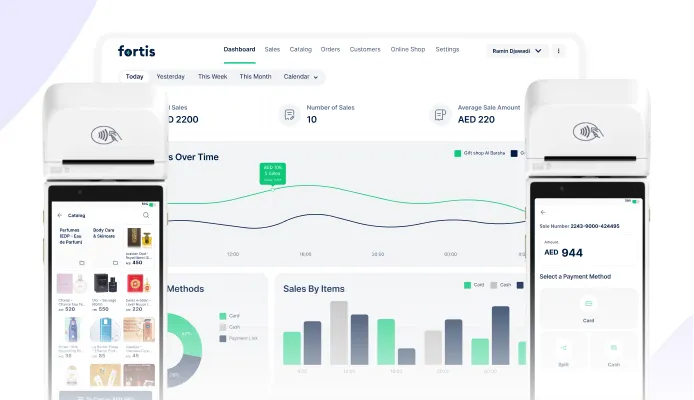
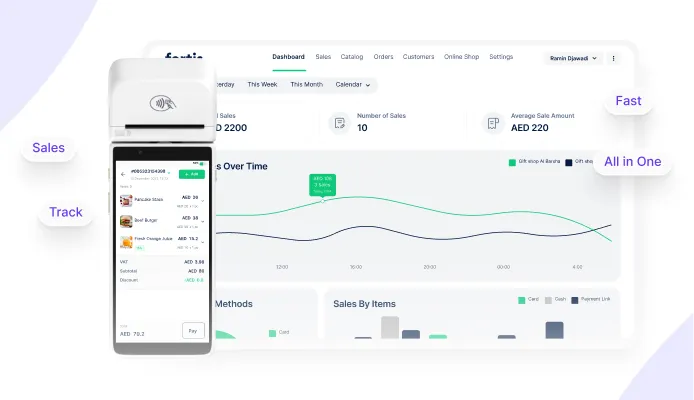
Restaurants can then track key metrics such as repeat visit rate, reward redemption, and average spend among loyalty members to measure whether the program is encouraging repeat dining. An integrated restaurant POS makes this easier by keeping guest activity, purchases, and rewards in the same workflow instead of separate systems.
How Restaurant Loyalty Programs Work
A restaurant loyalty program should feel almost invisible to both your guests and your staff. If customers need to download multiple apps, fill in lengthy forms, or remember a physical loyalty card, participation usually drops. The most successful programs fit naturally into the dining journey, with rewards earned and redeemed as part of the normal checkout process rather than as a separate task.
Modern POS-integrated loyalty platforms are designed around this principle, allowing guests to enrol, earn, and redeem rewards within the same payment workflow.
For most restaurants, the process follows five simple stages.
1. A Guest Joins the Loyalty Program
Enrollment should take less than a minute. Depending on the restaurant's setup, guests may join by:
- Scanning a QR code at the table or checkout.
- Entering their phone number during payment.
- Following a link from a digital receipt.
- Registering through the restaurant's website or ordering platform.
The goal is to remove as much friction as possible. Asking for only essential information at sign-up typically results in higher enrollment than requiring lengthy registration forms or mandatory app downloads.
2. Guests Earn Rewards Automatically
After joining, every eligible purchase automatically contributes towards a future reward.
Depending on how the restaurant has structured its program, guests might earn:
- Points based on the value of their bill.
- Credit or cashback towards future meals.
- Visit-based rewards (for example, a reward after a set number of visits).
- Tier progress based on cumulative spending or visit frequency.
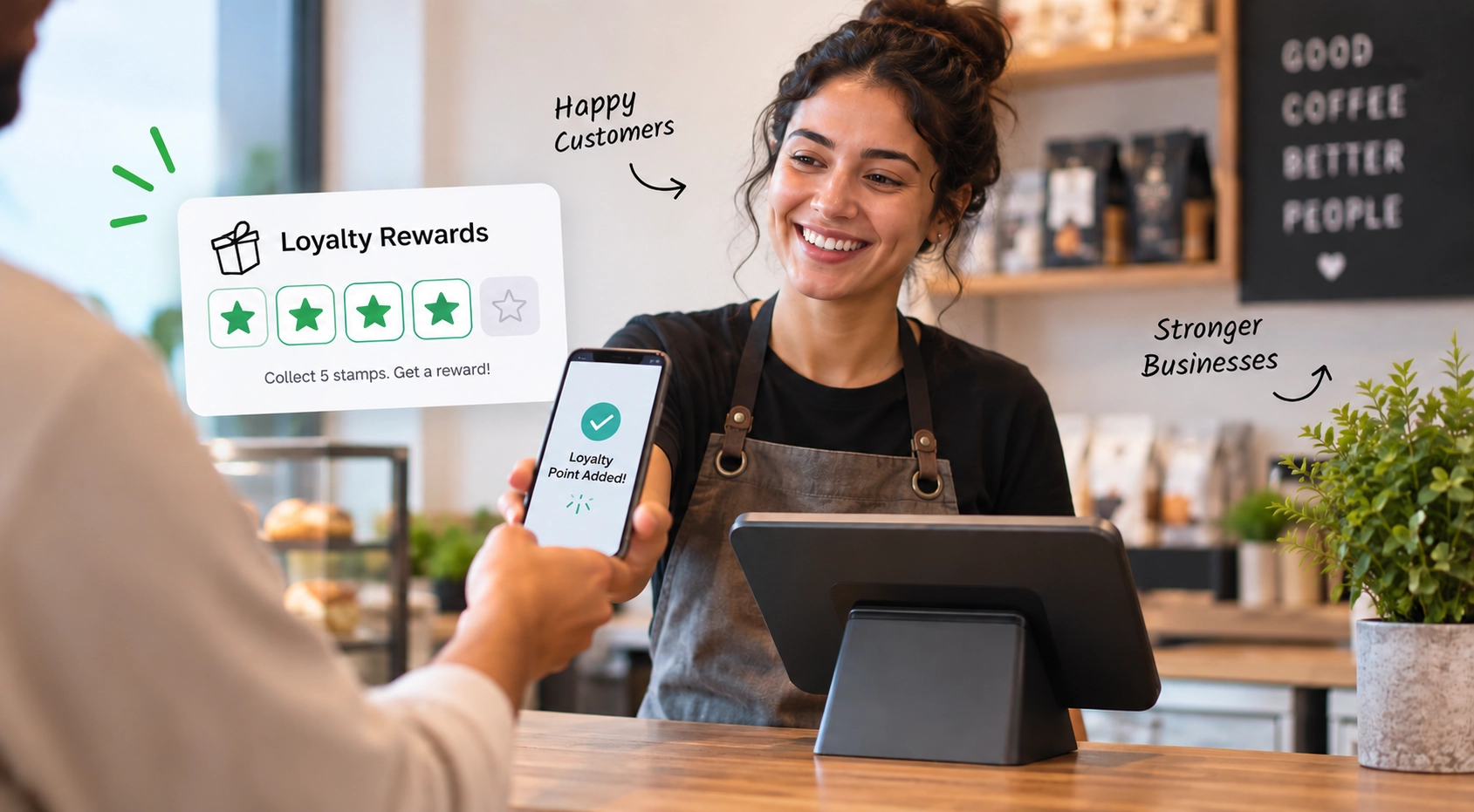
The key difference between modern and traditional loyalty programs is automation. Instead of collecting paper stamps or presenting plastic cards, rewards are updated automatically after each completed transaction through the POS or loyalty platform.
3. Guests Redeem Rewards During a Future Visit
Rewards should be easy to understand and even easier to redeem.
Depending on the restaurant's rules, guests may choose to:
- Redeem points against part of their bill.
- Claim a complimentary menu item.
- Unlock a birthday reward.
- Receive an exclusive offer after reaching a spending milestone.
Keeping redemption simple is just as important as making enrollment simple. If guests struggle to understand when or how rewards can be used, participation and redemption rates typically decline.
4. The Restaurant Learns From Guest Behaviour
Instead of viewing every transaction in isolation, restaurants can identify patterns such as:
- Regular weekday lunch guests.
- Weekend family diners.
- Guests who have not returned in the past month.
- Average spend per dining visit.
- Offers that generate another booking or order.
These insights help restaurants create more relevant campaigns and support stronger customer retention without sending the same offer to every guest.
5. The Cycle Repeats
Every successful redemption creates another opportunity for a repeat visit.
Rather than viewing rewards as a cost, restaurants should see them as an investment in encouraging the next visit. A guest who returns regularly because they know another reward is within reach often generates more long-term value than a guest who only visits once after receiving a large discount.
For this reason, many restaurant operators now design loyalty programs around repeat dining behaviour rather than one-off promotions. The objective isn't simply to reward today's meal—it's to influence the decision about where the guest chooses to eat next.
Which Restaurant Loyalty Model Fits Your Business?
There isn't a single loyalty program that works for every restaurant. The right model depends on three factors:
- How often guests typically visit.
- Your average bill value.
- Whether customers usually order the same items or a varied menu.
For most independent restaurants, one of the following four models is the best fit.
Visit-Based Programs
This model works best when customers buy the same product repeatedly.
Best for:
- Coffee shops
- Juice bars
- Bakeries
- Dessert cafés
It's simple to explain and easy for guests to understand, making it ideal for high-frequency purchases.
Points-Based Programs
Points-based programs suit restaurants with different menu prices because rewards are linked to the value of each bill rather than the number of visits.
Best for:
- Casual dining
- Family restaurants
- Multi-branch concepts
Guests earn points every time they dine and can redeem them on future meals.
Tiered Programs
Tiered programs reward your most valuable guests with increasing benefits.
Examples include:
- Priority reservations.
- Birthday rewards.
- Bonus points.
- Exclusive menu previews.
They work best when you already have a strong base of returning customers rather than trying to attract first-time diners.
Which Model Works Best for Most UAE Restaurants?
For most cafés, casual dining restaurants, and independent operators in the UAE, visit-based and points-based programs are the most practical choices. They're easy for staff to explain, simple for guests to use, and integrate naturally into the checkout process.
Tiered programs can add value later as your customer base grows, while paid memberships are generally better suited to larger brands with very high visit frequency.
Rewards That Keep Guests Coming Back
The best restaurant loyalty rewards don't have to be the most expensive. In many cases, rewards that feel valuable to guests while costing relatively little to the restaurant generate better long-term results than frequent percentage discounts.
Instead of rewarding every visit with a discount, design rewards that encourage the next visit while protecting your margins.
Avoid Blanket Discounts
Offering 10% or 20% off every order may increase redemptions, but it can also reduce profitability without changing guest behaviour.
Many restaurant operators instead reward specific actions, such as:
- Completing a certain number of visits.
- Reaching a spending milestone.
- Returning during quieter weekdays.
- Trying a new menu category.
This approach encourages repeat dining rather than training guests to wait for discounts.
Make Rewards Easy to Earn—and Easy to Understand
Guests should immediately know:
- How they earn rewards.
- How close they are to the next reward.
- What they'll receive.
- How to redeem it.
If the rules are complicated or rewards feel too far away, participation usually declines. Industry guidance consistently recommends keeping reward structures simple, visible, and achievable to maintain engagement.
How Much Does a Restaurant Loyalty Program Cost?
The table below shows general market ranges based on publicly available loyalty software pricing. These figures are estimates, not Fortis pricing, and actual costs vary by provider, location count, integrations, and included features.
Restaurants comparing vendors should review what is included in each package rather than judging the platform by the subscription fee alone. You can also review Fortis plans and pricing separately when comparing available options.
What Affects the Cost?
Several factors influence the total cost of running a loyalty program:
- Number of restaurant locations.
- Whether loyalty is built into your POS or purchased separately.
- SMS, email, or push notification features.
- Customer database size.
- Advanced features such as tiers, birthday rewards, or automated campaigns.
Many providers also offer free or entry-level plans for smaller businesses, while enterprise platforms can cost significantly more as additional automation, CRM capabilities, and multi-location management are added.
Look Beyond the Subscription Fee
The monthly subscription is only part of the overall investment.
Restaurant owners should also consider:
- The time required to train staff.
- The effort needed to promote the program.
- The cost of the rewards themselves.
- Whether the platform requires additional hardware or third-party integrations.
In many cases, a slightly higher software subscription may reduce operational complexity if loyalty is already integrated into the restaurant's existing checkout workflow, eliminating the need for separate apps or manual reward tracking. )
Should You Choose a POS-Integrated Restaurant Loyalty Program?
A loyalty program can operate as a standalone solution, but integrating it with a restaurant POS usually creates a simpler experience for both guests and staff. Instead of switching between systems or manually tracking rewards, points can be earned and redeemed automatically during checkout.
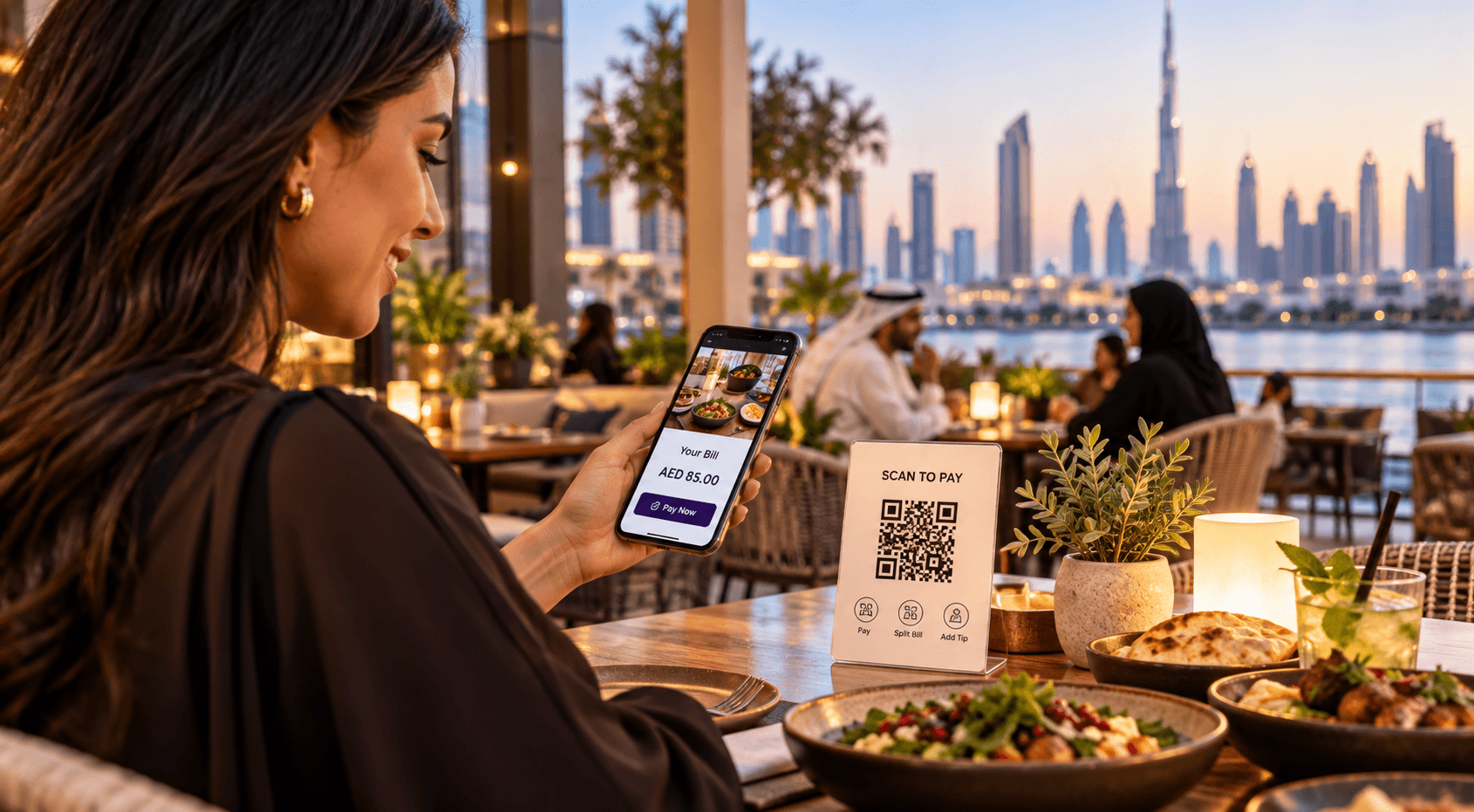
For full-service restaurants, integration can also improve the payment experience. Solutions such as Table Pay can allow guests to view their bill, split it, tip, and pay by QR code at the table. When used alongside an integrated loyalty solution, restaurants can also invite guests to join or identify themselves during the same payment journey, reducing friction and eliminating the need for a separate sign-up process.
Integrating loyalty with your POS gives staff a single workflow for payments, rewards, and guest activity while making it easier to measure repeat visits and reward redemption over time.
How to Measure Whether Your Loyalty Program Is Working
Launching a loyalty program is only the first step. The real question is whether it changes guest behaviour.
Rather than focusing only on how many people signed up, monitor a small set of business metrics each month:
If enrollment is high but redemption is low, rewards may be too difficult to earn. If members rarely return, the issue may be the reward structure rather than the technology itself. Tracking these metrics regularly allows restaurants to refine the program instead of relying on assumptions.
Common Restaurant Loyalty Program Mistakes
Many loyalty programs fail because they are difficult to understand or add unnecessary friction to the guest experience.
Some of the most common mistakes include:
- Making rewards too difficult to earn. Guests lose interest if the first reward feels too far away.
- Relying only on discounts. Frequent discounts can reduce margins without changing guest behaviour.
- Forcing app downloads. Every extra step reduces enrollment.
- Not training staff. If employees don't mention the program, many guests will never know it exists.
- Treating loyalty as a "set-and-forget" initiative. Rewards, campaigns, and performance should be reviewed regularly to keep guests engaged.
How a POS-Integrated Loyalty Program Works with Fortis
The most common reason loyalty programs underperform is friction at enrollment. If registering a customer requires a separate app, a separate device, or more than a few seconds of effort during a busy shift, it does not happen consistently.
A POS-integrated loyalty program removes that friction by embedding the enrollment and scanning flow directly into your card machine. Your team registers a customer by entering their phone number on the same device they use to take payment, without switching screens or devices.
With Fortis, the loyalty program can run directly from the card machine (POS Loyalty) or through a dedicated app (Standalone Loyalty), depending on your setup.
Here is how the flow works in practice:
- Your team enters the customer’s phone number on the card machine at checkout, and the system automatically stores the customer data for future tracking and campaigns.
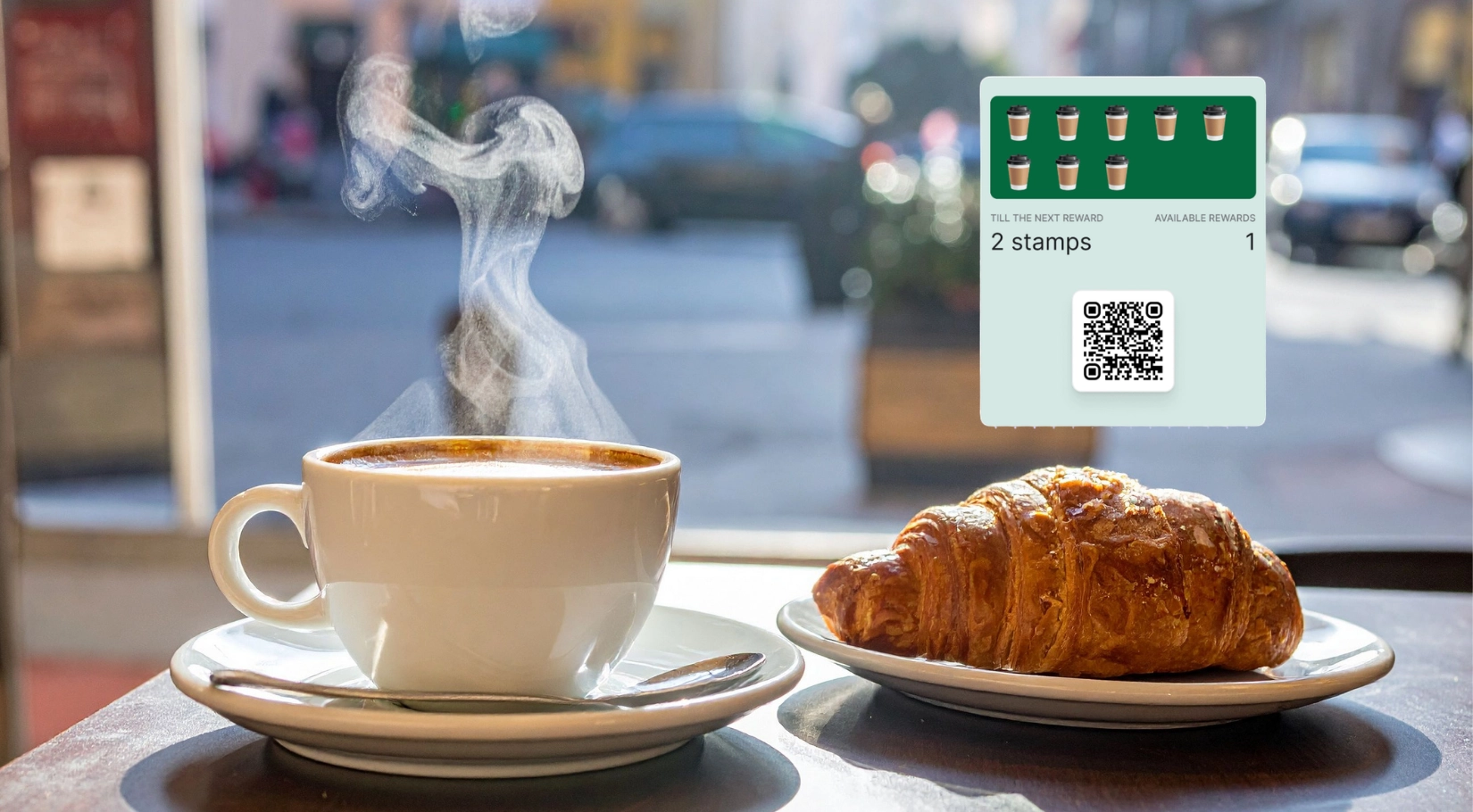
- The customer receives a digital loyalty card to add to their Apple Wallet or Google Wallet.
- On return visits, your team scans the loyalty card or retrieves the customer profile using their phone number directly from the machine to view and update points or stamps.
- You can send push notifications for offers, happy hour promotions, and birthday rewards directly from the Fortis merchant dashboard, without needing a separate CRM or marketing tool
For businesses that do not want to change their primary POS, they can get a standalone Fortis app to scan the loyalty cards.
Final Thoughts
A restaurant loyalty program should do more than reward spending. It should encourage guests to return, make repeat visits easier to measure, and give your team better visibility into customer behaviour.
For many restaurants in the UAE, the most successful programs are simple to join, easy to redeem, and integrated into the checkout experience. Whether you choose a visit-based or points-based model, long-term success depends on creating a program that fits how your guests actually dine rather than simply offering bigger rewards.
If you're ready to introduce a loyalty program, choosing a solution that integrates with your restaurant POS can simplify enrolment, reward redemption, and guest tracking. The Fortis Loyalty Platform helps restaurants manage loyalty alongside payments, giving operators a simpler way to recognise returning guests, reward repeat visits, and measure the impact of their loyalty program over time.
Frequently Asked Questions
What is the best loyalty program for a restaurant?
For most restaurants, visit-based programs work well when guests return frequently for similar purchases, while points-based programs are better suited to restaurants with varied menu prices and average bill values. The right choice depends on your service model and guest dining habits.
How much does a restaurant loyalty program cost?
Most restaurant loyalty platforms are offered as monthly subscriptions. Typical market pricing for small and medium-sized restaurants ranges from AED 90–1,100 (approximately USD 25–300) per month, per location, with additional costs depending on integrations, advanced features, and the number of sites.
Can I use my existing POS system with a restaurant loyalty program?
Often, yes. Many loyalty platforms integrate with existing POS systems, while others operate independently. A POS-integrated solution usually provides a smoother experience because guests earn and redeem rewards automatically during checkout without additional steps for staff.
Do guests need to download an app to join a restaurant loyalty program?
Not necessarily. Many modern loyalty programs allow guests to join using a QR code, phone number, or digital wallet card, making enrollment faster and reducing friction during the checkout process.
How long does it take to see results from a restaurant loyalty program?
Most restaurants can measure enrollment and reward redemption within the first few weeks. Improvements in repeat visit rates and average guest spend typically become clearer after two to three months, once enough customer activity has been recorded.