.svg)


.svg)

.jpeg)


.png)
[[shortcode1 title="Quick Answer:" description="The Jaywan Card is the UAE's national card payment scheme, developed by Al Etihad Payments, a subsidiary of the Central Bank of the UAE. Officially inaugurated on 20 July 2026, it serves as the country's first domestic payment network. For UAE businesses, accepting Jaywan payments does not necessarily require new hardware. Acceptance depends on your acquiring bank, payment provider support, and any terminal software updates that may be required."]]
The Jaywan Card was officially inaugurated on 20 July 2026 as the UAE’s first national card scheme. Developed and operated by Al Etihad Payments, a subsidiary of the Central Bank of the UAE, Jaywan is designed to strengthen the country’s domestic payment infrastructure while remaining connected to international payment networks.
When customers begin paying with Jaywan cards, the checkout experience will look much like any other card transaction. The difference lies behind the scenes, in how payments are routed through the UAE's domestic payment infrastructure. As banks issue Jaywan cards and merchant acceptance expands, business owners should understand how the scheme works, whether their current payment setup can support it, and what they should confirm with their payment provider.
This guide explains what the Jaywan Card is, why it was launched, how customers use it, and what businesses should check before accepting Jaywan payments.
What Is the Jaywan Card?
The Jaywan Card is the UAE's first domestic card payment scheme. It is owned and operated by Al Etihad Payments (AEP), a wholly owned subsidiary of the Central Bank of the UAE (CBUAE), and is designed to process domestic card payments through a national payment network.
Unlike Visa or Mastercard, which are international card schemes, Jaywan was created specifically for the UAE market. Its purpose is to provide a locally managed payment network while continuing to support international transactions through co-badged partnerships with global payment networks where required.
Al Etihad Payments has announced partnerships with major international schemes including Visa, Mastercard, Discover, and UnionPay to expand acceptance beyond the UAE.
Jaywan cards are being introduced in stages across UAE banks and licensed financial institutions. Depending on the issuer, customers may receive:
- Debit cards
- Prepaid cards
- Co-badged cards for international payments
For businesses, the most important takeaway is that Jaywan is not simply another card brand. It represents a new layer within the UAE's payment infrastructure that payment providers, acquiring banks, POS terminals, and merchants will increasingly support as adoption expands.
Why Was Jaywan Launched?
Jaywan was launched to strengthen the UAE’s domestic payment infrastructure and provide a card scheme designed around the needs of local consumers, merchants, and financial institutions.
Al Etihad Payments identifies several objectives behind the scheme, including supporting financial inclusion, maintaining greater control over domestic payment data, encouraging local payment innovation, and reducing the broader economic cost of electronic payments.
This does not mean that every merchant will automatically receive lower transaction fees. Pricing, MDR, settlement terms, and terminal costs still depend on the acquiring bank or payment provider.
For businesses, the practical benefit is a more locally managed payment ecosystem that can operate alongside international card networks rather than depend on them for every domestic transaction.
How Jaywan Payments Work?
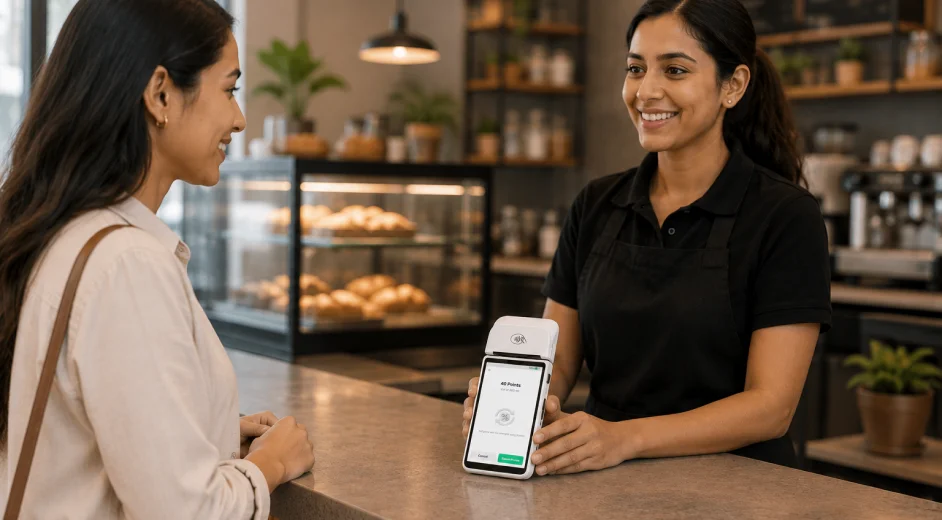
From the customer's perspective, paying with a Jaywan Card should feel familiar. Customers can tap or insert the card at a supported terminal, or use it online where Jaywan acceptance has been enabled. The main difference lies behind the scenes in how the transaction is routed through the UAE's domestic payment infrastructure.
A simplified Jaywan transaction involves the customer, the merchant’s payment terminal, the acquiring side, the Jaywan payment infrastructure, and the card-issuing bank. The exact routing depends on the merchant’s acquiring bank and payment provider.
Once the payment request is sent, the issuing bank completes the required account and security checks before approving or declining the transaction. The customer and cashier then receive the result through the normal checkout flow.
For businesses, the main point is that Jaywan acceptance depends on the full payment setup—not only the physical card or the POS screen.
Jaywan POS Acceptance
As Jaywan adoption grows, many business owners are asking the same question: Can your current POS terminal accept Jaywan payments?
Possibly, but acceptance must be confirmed with your acquiring bank or payment provider.
Jaywan is designed to operate across payment channels that include POS terminals, ATMs, online payments, and supported digital payment services. However, this does not mean every merchant terminal is automatically enabled.
Before replacing any hardware, ask your provider whether Jaywan is active on your merchant account, whether your terminal is certified, and whether a software update is required.
Many businesses may be able to use their existing payment hardware, but the final decision depends on the provider managing their card acceptance setup.
Who Can Accept Jaywan Cards?
Jaywan is intended for everyday payments across the UAE.
As more banks issue Jaywan cards, acceptance is expanding across businesses that already process electronic card payments, including:
- Retail stores
- Restaurants and cafés
- Supermarkets
- Hotels
- Entertainment venues
- Healthcare providers
- Service businesses
- Online merchants using participating payment providers
Jaywan acceptance is already expanding beyond banks and financial institutions. In July 2026, Majid Al Futtaim announced that it had enabled Jaywan across more than 200 physical destinations in the UAE, covering its shopping malls, retail, hospitality, leisure, and entertainment businesses. The company also stated that digital acceptance would follow in a later phase.
This rollout matters because it shows that Jaywan is moving into everyday customer transactions. As more acquiring banks, payment providers, and merchants enable the scheme, customers will be able to use the card across a broader range of UAE businesses.
Jaywan vs Visa vs Mastercard
Jaywan, Visa, and Mastercard all support card payments, but they do not serve the same role. Jaywan is the UAE’s national card scheme, while Visa and Mastercard operate international payment networks.
For merchants, the customer experience remains familiar. The main difference is the payment network used behind the transaction.
Will Jaywan Replace Visa or Mastercard?
No. Jaywan is not intended to replace Visa or Mastercard. Instead, it is designed to work alongside them.
To support international spending, Al Etihad Payments has already signed co-badging partnerships with Visa, Mastercard, Discover, and UnionPay. This allows a single card to process domestic transactions through Jaywan while using an international network when the cardholder travels or shops with overseas merchants.
This approach gives customers the benefits of a national payment scheme without limiting where they can use their cards.
For businesses, it also means there is no need to choose between Jaywan and international card schemes. As adoption grows, merchants are expected to accept multiple payment networks through the same payment infrastructure, allowing customers to pay with the card they already carry.
What Does the Jaywan Card Mean for UAE Businesses?
This is the part that matters most for merchants. For most businesses, Jaywan will not significantly change how customers pay at the checkout. Instead, merchants need to understand whether their existing payment setup can support the scheme and what operational steps may be required as more UAE banks issue Jaywan cards.
From a business perspective, there are three practical considerations:
- Growing customer adoption. As more financial institutions issue Jaywan cards, merchants should confirm that their payment setup is ready to support the scheme.
- Domestic payment infrastructure. Jaywan has been designed to strengthen local payment processing and support the UAE's broader payment ecosystem.
- Operational readiness. Businesses should check with their acquiring bank or payment provider to confirm terminal compatibility, software updates, and reporting requirements before accepting Jaywan.
Jaywan Acceptance Checklist
Before enabling Jaywan payments, review the complete payment setup with your acquiring bank or payment provider.
Confirm the following:
- Is Jaywan active on your merchant account?
- Does your current payment terminal support the scheme?
- Is a terminal or software update required?
- Will Jaywan transactions appear clearly in settlement reports?
- Can refunds be processed through the existing workflow?
- Will your POS continue recording sales and generating the required VAT documentation?
Payment acceptance and business management are related, but they are not the same function. Your acquirer or payment provider determines whether the card can be processed. Your POS system determines how the sale is recorded, reported, reconciled, and connected to inventory or tax records.
Reviewing both sides helps prevent operational gaps when a new payment method is introduced. Start by contacting your acquiring bank or payment provider to confirm availability, terminal requirements, reporting arrangements, and the date from which your staff can begin accepting Jaywan payments.
Final Thoughts
The launch of the Jaywan Card marks an important development in the UAE's payment ecosystem. As more banks begin issuing Jaywan cards, businesses should review their payment setup to ensure they are ready to support the scheme when it becomes available through their payment provider.
Before making any changes, confirm with your acquiring bank or payment provider whether Jaywan has been enabled on your merchant account and whether any terminal or software updates are required. In many cases, preparing for a new payment scheme is about ensuring your payment infrastructure is up to date rather than replacing your entire checkout setup.
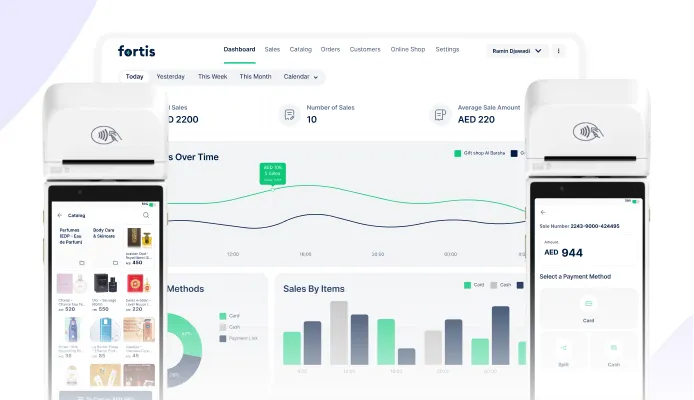
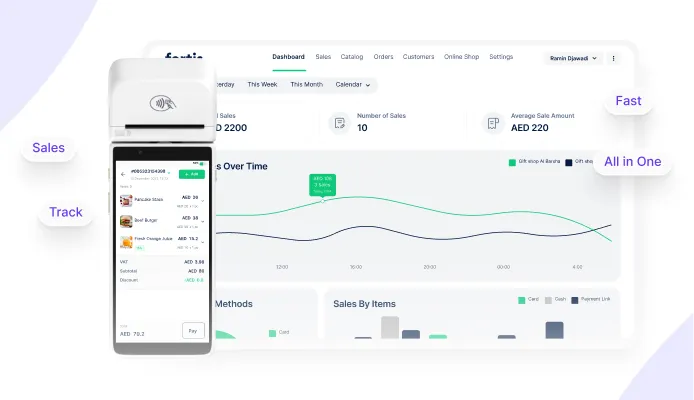
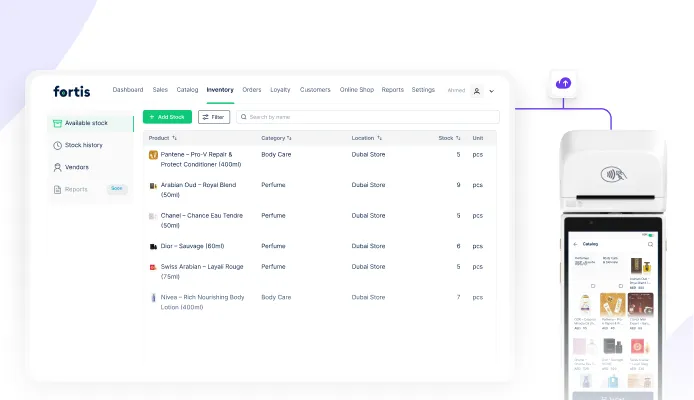
Once payments are accepted, efficient day-to-day operations become just as important. Fortis SmartPOS helps UAE businesses manage sales, inventory, reporting, VAT-compliant receipts, and customer loyalty from one connected platform, giving merchants greater visibility as the payments landscape continues to evolve.
Explore Fortis SmartPOS to see how UAE businesses can connect sales, inventory, reporting, VAT-compliant receipts, and customer loyalty in one streamlined workflow.
Frequently Asked Questions
Can I use a Jaywan card outside the UAE?
Yes, but this depends on the type of Jaywan card. Domestic Jaywan cards are intended for use within the UAE, while co-badged cards can be used internationally through their partner payment network, subject to the issuing bank's terms.
How do I know if Jaywan is enabled for my business?
Contact your acquiring bank or payment provider and ask whether Jaywan acceptance is active on your merchant account and existing terminal. Do not purchase new hardware until the provider confirms whether activation, certification or a software update is required.
Does Jaywan replace Visa or Mastercard?
No. Jaywan is designed to operate alongside international card schemes. Co-badged cards may use Jaywan for supported domestic transactions and a partner international network for overseas payments, subject to the issuing bank's terms.
Will businesses need new payment hardware?
Not necessarily. Al Etihad Payments designed Jaywan to operate through existing payment infrastructure where supported. In many cases, businesses may only need their payment provider to enable Jaywan or apply the required software updates
Why should businesses prepare for Jaywan now?
Merchant acceptance is already expanding across the UAE, with organisations such as Majid Al Futtaim enabling Jaywan acceptance across hundreds of locations. Preparing early helps businesses support new customer payment preferences without disrupting day-to-day operations.