.svg)


.svg)

.jpeg)


[[shortcode1 title="Quick Answer:" description="Customer loyalty is a customer’s long-term preference to choose your business because they trust your brand, value the experience you provide, and consistently receive good service. It goes beyond repeat purchases, encouraging customers to return, recommend your business, and stay loyal over time. Loyalty programs can strengthen customer loyalty, but they are only one part of building it"]]
Running a business in the UAE means competing in a market where customers have more choice than ever. Whether you operate a café in Dubai, a salon in Abu Dhabi, a perfume boutique in Sharjah, or a neighbourhood retail store, your customers can often find a similar product or service just minutes away.
That makes customer loyalty one of the most valuable assets your business can build. A loyal customer is more likely to return, spend more over time, and recommend your business to friends or colleagues.
Despite its importance, customer loyalty is often misunderstood. Many business owners assume that customers are loyal simply because they return frequently or because they have launched a loyalty program. In reality, customer loyalty is much broader than repeat purchases or rewards alone.
This guide explains what customer loyalty is, why it matters for UAE businesses, what influences it, and how businesses can strengthen it over time.
What Is Customer Loyalty?
Customer loyalty is a customer's willingness to keep choosing your business over competitors because they trust your brand, value the experience you provide, and consistently receive good service. Over time, this creates a long-term relationship that goes beyond convenience or price.
Many business owners mistake repeat purchases for customer loyalty, but they are not always the same. A customer may return simply because your business is nearby or convenient. A loyal customer chooses your business even when alternatives are available because they trust your products or services and believe you'll consistently deliver a positive experience. They are also more likely to recommend your business to others and remain loyal over time.
Why Customer Loyalty Matters for UAE Businesses
Customer loyalty is especially valuable in the UAE, where customers often have many businesses to choose from. Winning the first sale is important, but encouraging customers to return is what supports sustainable business growth.
For SMEs, loyal customers create long-term value because they cost less to retain, spend more over time, and are more likely to recommend your business. Bain & Company has consistently found that improving customer retention can significantly increase long-term profitability.
This is reflected in customer behaviour as well. According to Qualtrics' 2026 Global Consumer Experience Trends report, satisfied customers are 4.1 times more likely to recommend a brand, 3.8 times more likely to trust it, and 2.3 times more likely to purchase more. These behaviours are key drivers of long-term customer loyalty.
Customer loyalty helps your business:
- Reduce customer acquisition costs by generating more value from existing customers.
- Create more predictable revenue through repeat visits and purchases.
- Increase customer lifetime value as customers continue buying over time.
- Generate more referrals and positive reviews, helping you attract new customers through word of mouth.
We recently conducted a survey of UAE café and restaurant owners, fewer than 1 in 5 currently run any kind of loyalty program, even though most said they'd want one if it were simple to set up. This gap represents a real opportunity: businesses that start building loyalty early can stand out in a market where most competitors haven't yet.
Customer Loyalty vs Customer Satisfaction vs Customer Retention
These three terms are often used interchangeably, but they describe different aspects of the customer relationship. Understanding the difference helps you identify what your business should improve and how success should be measured.
These concepts are related, but they are not the same.
A customer can be satisfied or continue buying from your business without being truly loyal. Satisfaction reflects a single experience, while retention measures whether customers keep returning.
Customer loyalty goes further. It means customers actively choose your business because they trust your brand, value the experience you provide, and consistently receive good service.
Understanding these differences helps you focus on the right objective: improve satisfaction by fixing individual experiences, improve retention by reducing customer churn, and build loyalty by consistently delivering value over time.
What Builds Customer Loyalty?
Customer loyalty is built through consistent positive experiences rather than a single interaction. Customers stay loyal when they trust your business, receive consistent value, and find it easy to keep buying from you. Loyalty programs can reinforce these behaviours, but they cannot replace the fundamentals that build trust over time.
Many UAE business owners we spoke with said they were holding off on loyalty programs because they felt "too early stage" or too busy to evaluate their options, planning to focus on the fundamentals first. This instinct is right: rewards work best when they reinforce an already positive customer experience rather than replace it. A well-designed loyalty program encourages repeat visits, but it is most effective when combined with consistent service, trust, and convenience. If you're weighing your options, our roundup of the (best customer loyalty programs for small businesses in the UAE) compares the most practical approaches.
Five factors have the greatest influence on customer loyalty:
1. Deliver a Consistent Customer Experience
Customers are more likely to return when they know what to expect every time they visit. Consistent product quality, reliable service, and professional staff build confidence and strengthen loyalty over time.
2. Build Trust Through Quality and Transparency
Trust grows when businesses consistently deliver what they promise. Clear pricing, honest communication, quality products, and handling issues professionally all help customers feel confident choosing your business again.
3. Make Every Purchase Simple and Convenient
Convenience makes it easier for customers to return. Fast checkout, multiple payment options, and a smooth purchasing experience reduce friction and support long-term loyalty, especially for busy retail and service businesses.
4. Use Customer Insights to Deliver Better Experiences
Understanding who your returning customers are, what they buy, and how often they visit helps you provide more relevant recommendations and make better business decisions without collecting unnecessary customer information.
5. Reward Repeat Customers Thoughtfully
Rewards work best when they reinforce an already positive customer experience rather than replace it. A well-designed loyalty program encourages repeat visits, but it is most effective when combined with consistent service, trust, and convenience.
If you're considering launching a loyalty program, read our guide on How to launch a loyalty program for your business to learn how different loyalty models work and how to choose the right approach for your business.
What Customer Loyalty Looks Like
Customer loyalty can take different forms. Some customers return because your business has become part of their routine, while others actively choose your brand because they trust the experience you provide.
Behavioral Loyalty
Customers regularly return and make repeat purchases, often because your business is convenient or familiar.
Example: A customer buys coffee from the same café every morning because it is on their way to work. This is common across many food and beverage businesses.
Emotional Loyalty
Customers continue choosing your business because they trust your products or services and feel confident recommending them to others.
Example: A salon client keeps booking appointments because they consistently receive great service. Strong emotional loyalty is especially valuable for service businesses that rely on repeat visits.
Habitual Loyalty
Customers return out of routine, and repeated positive experiences gradually strengthen that relationship over time.
Example: A customer always buys perfume from the same retailer because they trust the products and service.
Many loyal customers display more than one type of loyalty. A customer may initially return out of habit before developing genuine trust and long-term loyalty.
Common Misconceptions About Customer Loyalty
Customer loyalty is often misunderstood. Here are four common myths that can prevent businesses from building lasting customer relationships.
How Fortis Helps UAE Businesses Build Customer Loyalty
Building customer loyalty becomes much easier when customer information, payments, and loyalty rewards work together instead of being managed through separate systems.
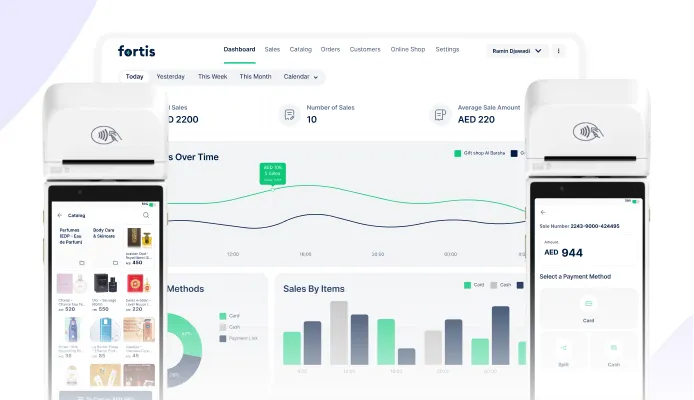
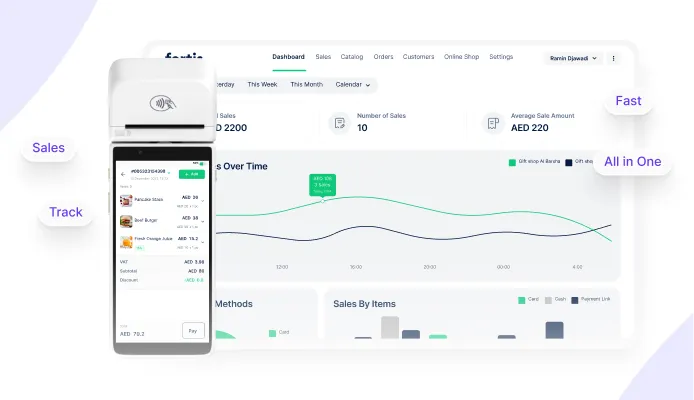
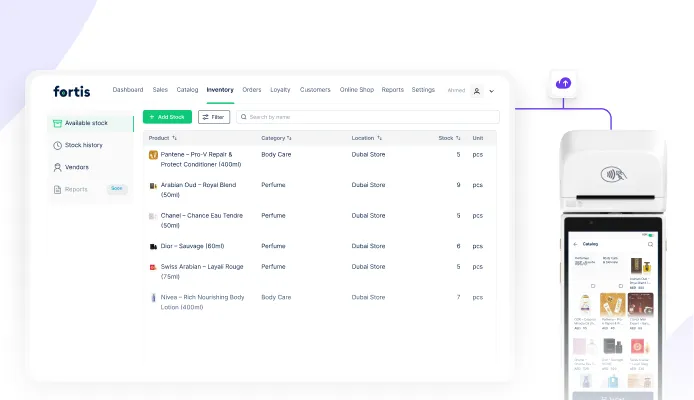
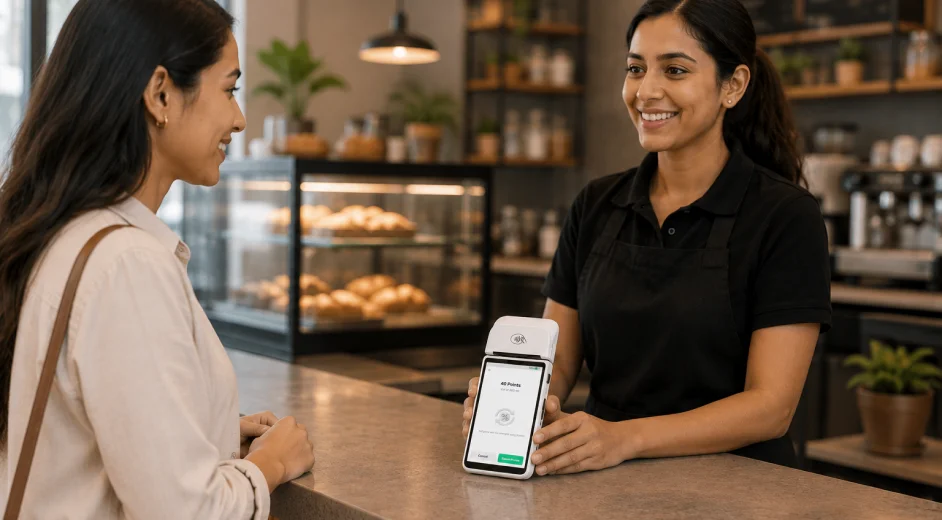
Fortis combines these capabilities in one connected platform, so you can reward your customers directly from the card machine instead of asking them to download a separate app.
By combining all of this together, you can deliver a seamless experience for your customers. With Fortis loyalty not only can reward your customers easily, but you can also send push notifications to your customers with exciting offers, happy hours, birthday rewards and give them a reason to come back.
Final Thoughts
Customer loyalty isn't built through rewards alone. It grows when businesses consistently deliver value, earn customer trust, and make every interaction simple. The right technology can support that process, but long-term loyalty always starts with a great customer experience.
Frequently Asked Questions
1. Can I build customer loyalty using my existing POS system?
It depends on your POS provider. Some POS systems only process payments, while others include features such as customer profiles, loyalty programs, and reporting. Using an integrated POS system makes it easier to recognise returning customers, reward repeat purchases, and build stronger customer relationships without adding extra steps at checkout.
2. How is customer loyalty different from customer retention?
Customer retention measures whether customers continue buying from your business. Customer loyalty explains why they continue returning. Loyal customers actively choose your business because they trust your brand and value the experience you provide.
3. Can small businesses build customer loyalty without a loyalty program?
Yes. Consistent service, product quality, convenience, and trust are the foundations of customer loyalty. A loyalty program strengthens these relationships but should not replace a positive customer experience.
4. What should I look for in a customer loyalty solution?
Look for a solution that is easy for both customers and staff to use, fits naturally into your checkout process, and provides visibility into customer activity so you can recognise and reward repeat customers effectively.
5. Is a points program or a stamp program better for my business?
It depends on how your customers buy. Stamp programs work well for businesses with frequent, predictable purchases, while points programs are often a better fit for restaurants, retail stores, and businesses where customers spend different amounts on each visit.