.svg)


.svg)

.jpeg)


[[shortcode1 title="Quick Answer:" description="For small businesses in the UAE, the programs that actually work are the ones customers can join in under 30 seconds without downloading an app or filling up a form. Points and stamp card models fit most F&B and retail operations. However, the gap for most UAE SMEs is not choosing the wrong program type, rather it is not capturing customer data at the moment of payment."]]
In practice, UAE loyalty programs for small businesses fall into three categories: ones that look great in a sales demo, ones that get launched and quietly abandoned three months later, and the ones that actually bring customers back.
The gap between the second and third category usually comes down to one thing: how much effort the program adds to a regular day. For a café owner managing two staff during the Friday morning rush, or a salon running back-to-back appointments, the program that survives is the one that fits into the existing workflow without anyone having to think about it.
This guide explains how small businesses across F&B, retail, and services in the UAE can choose a loyalty program that brings customers back without slowing down checkout or adding unnecessary work for staff or customers.
TL;DR
- The UAE loyalty market is on track to reach $817.6 million by 2029, but most of that is in aviation and banking. F&B, retail, and services are behind.
- Points and stamps work best for SMEs. Tiered programs make sense once your transaction volume is high enough to justify the complexity.
- The biggest reason loyalty programs fail is enrollment friction. If joining requires an app or a form, most customers skip it.
- Digital loyalty cards in Apple Wallet or Google Wallet solve the physical card problem without adding a new app to the customer's phone.
- For restaurants, cafes, salons, and retail stores: the most practical setup is a loyalty program embedded in the payment terminal, so sign-up happens at checkout with no separate step.
Why This Matters More Now Than It Did Two Years Ago
Running a small business in Dubai or Abu Dhabi in 2026 means your regular customers have more options than ever and less patience for programs that waste their time. The ones who keep coming back do so because the experience is good, or because there is a reason to return beyond just habit.
The UAE loyalty market is estimated to reach around $800M+ by 2029, However, most of that money sits in large enterprise programs, airline miles, and banking rewards. For the coffee shop on Jumeirah Beach Road or the boutique in Mall of the Emirates, the market is wide open.
The business case is straightforward. Keeping a customer costs roughly a fifth of what it takes to acquire a new one. Repeat customers spend more per visit over time. And For many small businesses, a large share of revenue comes from returning customers. Any improvement in how often those customers come back goes straight to the bottom line.
The opportunity is real. However, most UAE SMEs are still relying on WhatsApp groups, paper cards, or informal relationships to keep regulars engaged. A structured program, even a simple one, gives you a database and a communication channel that those approaches cannot match.
What UAE Customers Actually Expect in 2026
Expectations have moved. UAE consumers want loyalty programs that are easy to understand, fast to use, and personal enough to feel relevant. They will engage with a push notification that says 'You're two visits away from a free coffee' far more than a generic promotional blast.
What they will not do is download another app. The UAE has one of the highest smartphone penetration rates in the world, but consumer patience for new app installs is low. The country is also actively moving toward a cashless economy — the Dubai Cashless Strategy targets 90% of all transactions to be cashless, which means your customers are already comfortable with digital-first interactions. Programs that run through Apple Wallet or Google Wallet, or that work via a simple SMS link, fit that behavior naturally and consistently see higher participation than those that require a dedicated app.
Types of Loyalty Programs and Which One Fits Your Business
Before you choose a platform, you need to decide what structure actually fits your customers' behavior. Here is how the main models compare.
Points: The Most Flexible Option for Most UAE SMEs
A points model works well when customers visit at varying frequencies and spend different amounts each time. Your customers earn points per AED spent, and once they hit a threshold, they redeem them for a reward. It is straightforward enough for staff to explain in under ten seconds and flexible enough to run promotions on top of, like double points on a quiet Tuesday.
Where it breaks down is when the reward feels impossibly far away. If a customer has to spend AED 2,000 before they earn anything worth having, they will stop caring by the third visit. Set your earning and redemption threshold based on how often your average customer visits and what they spend, not what sounds good on paper.
Stamps: Honest and Hard to Mess Up
Visit ten times, get the eleventh free. Everyone understands it immediately. For coffee shops, fast-casual restaurants, salons, and anywhere with a short, predictable transaction cycle, stamps work because the reward is visible and the progress feels real.
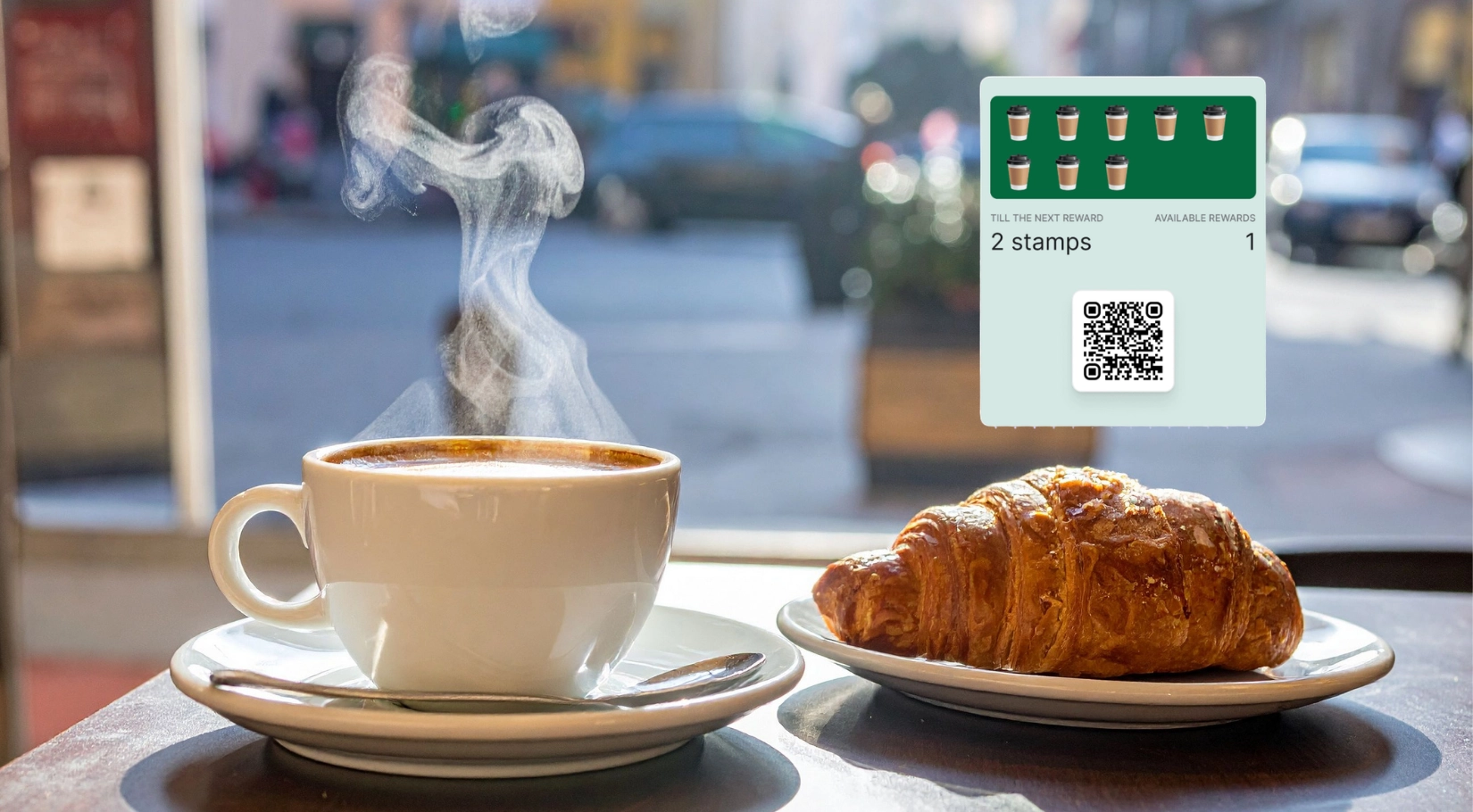
The problem has always been the physical card. Customers lose them, forget them at home, or find three half-completed ones at the back of their wallet. The fix is straightforward: a digital stamp card in the customer's phone does not have those problems. It updates every time they visit, and you can send them a nudge when they are close to a free reward.
Tiers: Only Worth It Once You Have the Volume
Silver, Gold, Platinum tiers motivate your best customers to keep spending because progression feels like status. For a fine dining restaurant using a restaurant POS with a strong regular base, or a spa with clients who book every two weeks, tiers drive both frequency and average spend.
For a single-location café or retail store still building its customer base, tiers add operational complexity that rarely pays off at that stage. Get 500 customers enrolled and returning before you think about tiers. Start simple.
Why Most UAE Loyalty Programs Fail Before They Get Started
Most small business loyalty programs in the UAE do not fail because the idea was wrong. They fail because of one of three problems that kill adoption before the program gets any traction.
The Sign-Up Process Is Too Long
Ask a customer to download an app during checkout and you will lose them. Ask them to fill out a name, email, and date of birth on a tablet while the person behind them is waiting, and the answer will usually be 'next time'. Next time does not come.
The programs that hold enrollment rates above 30% are the ones where the customer gives their phone number and the digital loyalty card arrives immediately. The whole thing takes less than 30 seconds. That is the bar.
Staff Stop Asking After the First Week
The quality of your loyalty database depends almost entirely on whether your team asks every customer. Not most customers. Every customer. When that step lives on a separate device, requires a different login, or breaks up the checkout flow, staff skip it during busy periods. It starts feeling optional. Within a month, half the customers are walking out without ever being asked.
The solution is to put loyalty enrollment on the same device your staff already use to take payment. When it is part of the checkout screen, it stays part of the checkout habit. Or you could just put a QR code on the table.
Nobody Sends Any Communications
A loyalty program that collects phone numbers and then goes quiet is just an expensive way to build a list. The value is in what you do with it. A 'happy birthday, here's a free dessert' message sent four days before a customer's birthday. A 'we haven't seen you in a while' offer to anyone who has not visited in 25 days. A double-points weekend promoted to everyone who has been in the last six weeks.
You do not need to send something every week. One targeted campaign per month, built around a real reason for customers to come in, is enough to see the difference in customer retention.
What to Look for When You Are Choosing Loyalty Program
If you are comparing options, these are the things that will actually affect how well the program performs day-to-day. Not the feature count, not the pricing tier name.
Why Digital Loyalty Cards Work in the UAE
Five years ago, most wallet loyalty cards were physical. A small laminated card, a coffee stamp card, a paper voucher. Most UAE consumers have moved well past that. Digital wallets, contactless payments, and tap-to-pay have changed how people interact with their phones at checkout.
A digital loyalty card that lives in Apple Wallet or Google Wallet fits into that behavior rather than fighting against it. The customer adds it once from a link sent to their phone. After that, it updates automatically every time they visit. When they are two stamps from a free coffee, the card shows them that. When you send a promotion, it shows up as a notification on the card itself.
On your end, there are no cards to print or restock, no manual reconciliation when someone loses their card and claims they were on stamp nine, and no separate system to log into. Everything sits in your dashboard.
How to Set Up a Loyalty Program for Your UAE Business
You do not need a three-month implementation. Most small business loyalty programs can be live and enrolling customers the same week. Here is the practical sequence.
- Decide on your structure first. Points or stamps. Pick one, keep the logic simple, and set a reward that is genuinely attractive but that your margins can absorb. A free coffee at stamp ten. AED 20 off at 200 points. If you need a spreadsheet to explain it, simplify it.
- Choose a tool that enrolls customers at the point of payment, not on a separate device. The checkout terminal is the only reliable touchpoint you have with every customer on every visit.
- Give your team a one-line script and practice it before launch. 'Would you like to earn points on this?' is enough. The explanation happens on the customer's phone, not at the counter.
- Set up one automated campaign before you go live. A birthday reward or a 'we miss you' message to customers inactive for 30 days. These run themselves once configured and show results within the first two months.
- Check your enrollment numbers after the first two weeks. If fewer than one in five customers is signing up when asked, something in the flow is creating friction. Find it and fix it early, before the team normalizes skipping the step.
Loyalty Built Into Your Payment Terminal: How Fortis Works
For small businesses running in the UAE, Fortis Loyalty addresses the enrollment problem at its source by building the loyalty program directly into the terminal, no separate device or tablet needed.
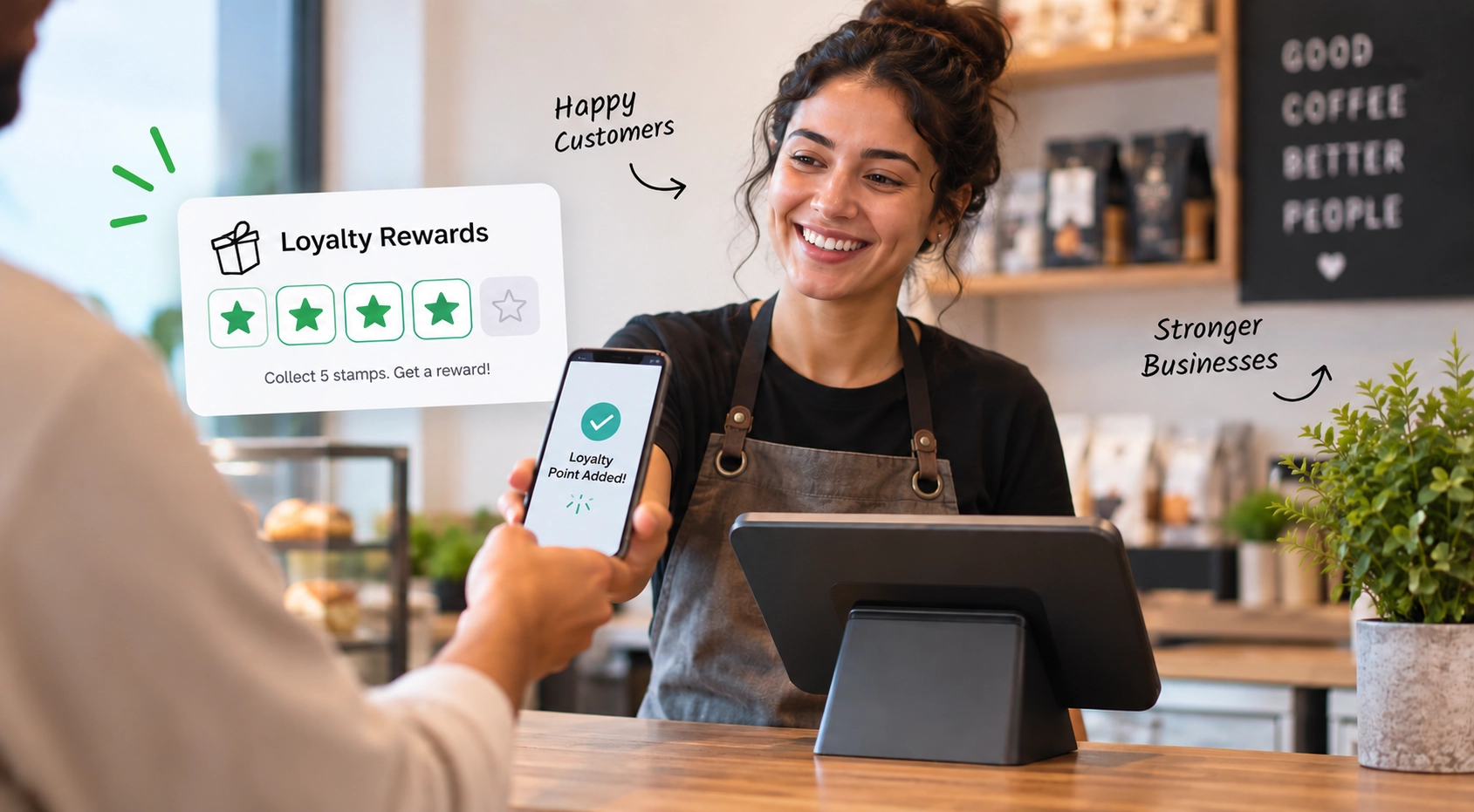
When a customer pays, you register them by phone number from the same card machine. They get a digital loyalty card to add to Apple Wallet or Google Wallet straight away. On their next visit, you scan it from the terminal, their points or stamps update, and you are done.
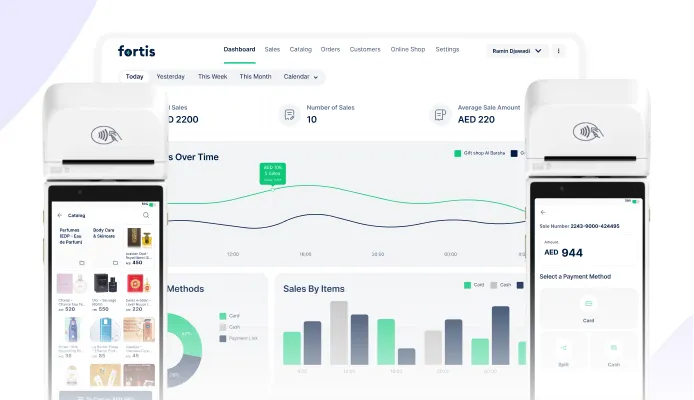
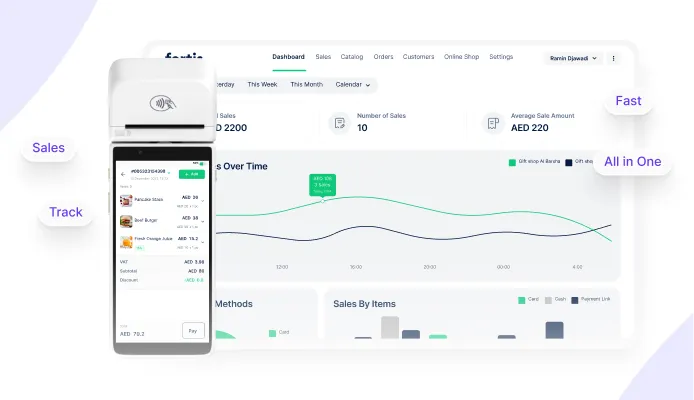
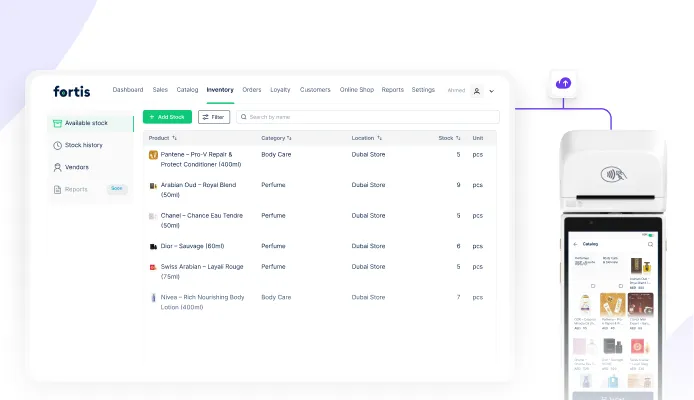
The Fortis merchant dashboard shows you enrolled customers, visit history, and loyalty status in one place. You can send push notifications with offers, birthday rewards, or promotions directly from there, without a separate marketing tool.
According to Fortis, businesses using the loyalty program see a 40% increase in customer retention. The program is available as an add-on to Fortis SmartPOS for F&B, retail, and service businesses, or as a standalone version for businesses that want the loyalty features independently.
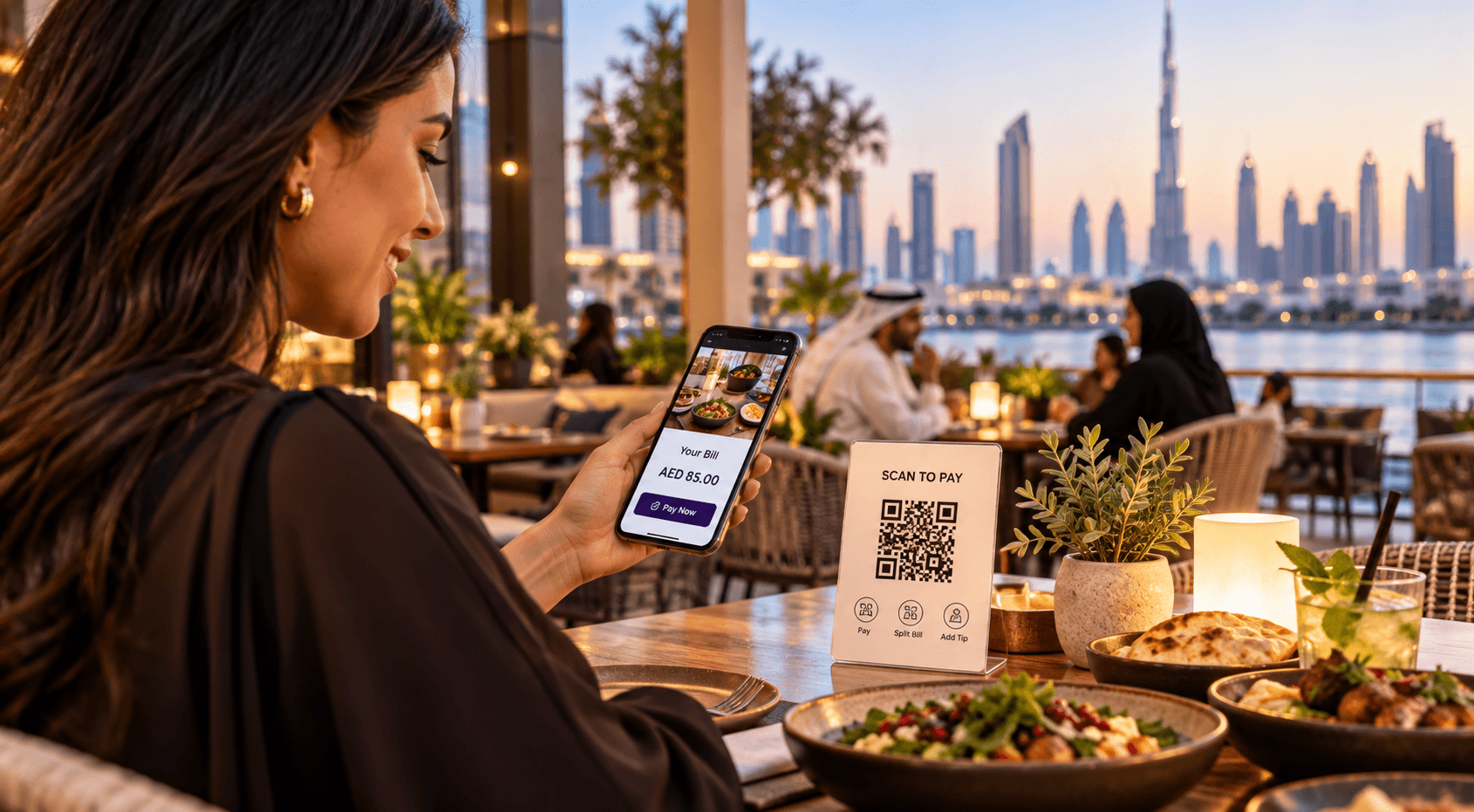
If you run a restaurant or cafe on Foodics or Syrve, Fortis Table Pay gives customers the option to join the loyalty program at the moment they scan the QR code to pay their bill. No extra staff effort, no separate enrollment step.
Frequently Asked Questions
Do loyalty programs actually work for small businesses in the UAE?
Yes, but only when they are easy to join and actively managed. The programs that deliver results are the ones that enroll customers at checkout and follow up with relevant communications. The metric to track is not how many people joined, but how often enrolled customers come back compared to those who did not join.
What is the difference between a points program and a stamp card for a UAE cafe or restaurant?
A stamp card gives the same reward after a fixed number of visits, regardless of spend. A points program rewards based on how much the customer spends, so higher-value orders earn more. For a coffee shop with consistent low-ticket transactions, stamps are easier to explain and manage. For a restaurant where order sizes vary, points give you more flexibility.
Do loyalty programs in the UAE require a mobile app?
No. Digital loyalty cards through Apple Wallet and Google Wallet do not need a separate app. The customer gets a link by SMS when they sign up, taps once to add the card to their existing wallet, and that is it. No install required. For UAE customers who are selective about new apps, this removes the single biggest barrier to joining.
How much does a loyalty program cost for a small business in the UAE?
It depends on the solution. Standalone platforms charge monthly or annual fees that vary widely based on features and enrolled customer count. If your POS system already has loyalty built in, it is often available as an add-on rather than a separate subscription. Check each provider's pricing page directly for current figures.
How do I know if my loyalty program is actually working?
Track two numbers: your enrollment rate (the share of paying customers who sign up when asked) and your return visit rate for enrolled customers versus non-enrolled ones. If enrolled customers are coming back more often, the program is working. If return visits are flat despite high enrollment, the issue is usually in the communications, not the program structure.