.svg)


.svg)

.jpeg)


[[shortcode1 title="Quick Answer:" description="A loyalty program benefits small UAE businesses only when customers return frequently, enrollment happens quickly at checkout, and the program connects to the POS or payment flow. It works best for cafés, salons, car washes, padel courts, and selected retail businesses. For low-frequency or tight-margin businesses, it may add complexity without enough return."]]
Running a small business in the UAE has always meant competing for a limited pool of regular customers. The question most owners are now asking is not whether loyalty programs exist, but whether they actually deliver a return worth the setup, daily effort, and cost.
Whether a loyalty program is worth the investment depends on your business model, customer behavior, and operational workflow. For businesses with frequent repeat customers, it can improve retention and reduce reliance on customer acquisition. For others, it may introduce additional operational complexity without generating enough value to justify the effort.
This article works through the real variables, so you can make the decision based on your own numbers and workflow, not marketing copy.
Why Are Small UAE Businesses Considering Loyalty Program Benefits?
Competition is particularly visible in the UAE's food and beverage sector. Dubai issued approximately 1,200 new restaurant licences in 2024, while Mordor Intelligence estimates that the UAE foodservice market will grow from USD 23.21 billion in 2025 to USD 61.21 billion by 2031. This continued expansion gives customers more options and increases the pressure on individual operators to turn first-time visitors into repeat customers.
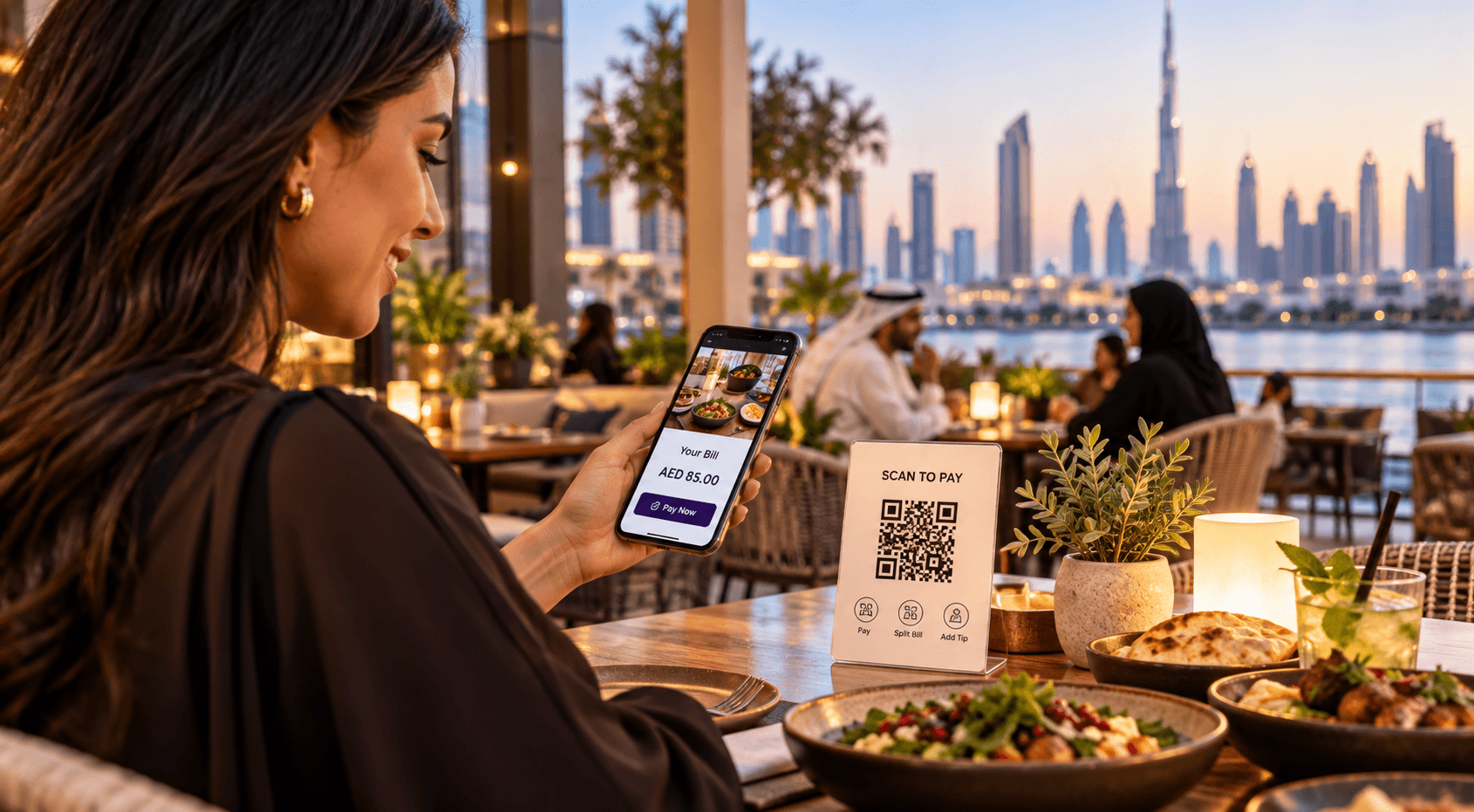
At the same time, the continued adoption of digital payments has made checkout a more connected customer touchpoint. Visa reported in January 2026 that eight in ten payments in the UAE are now made digitally, while mobile payments account for 21% of transactions. For small businesses, this creates an opportunity to introduce loyalty enrollment closer to the payment process, provided the additional steps remain quick for both staff and customers.
For many small businesses that rely on paid advertising or regular promotions to attract customers, retaining existing customers is often more cost-effective than continually acquiring new ones. As digital payments and customer data become more accessible, loyalty programs have become a more practical retention tool for many SMEs. However, they only deliver value when they fit the business model and customer behavior..
Benefits of a Loyalty Program
Loyalty programs generate the greatest value when two conditions are met: customers return often enough to benefit from rewards, and enrollment is simple enough for staff to complete during checkout. Businesses with regular repeat purchases are generally more likely to see measurable results than businesses where customers visit only occasionally.
If your margins allow you to offer meaningful rewards without reducing profitability, the business case becomes much stronger.
Cafes and Restaurants
This is one of the clearest loyalty use cases. A regular coffee customer may visit several times a week, giving the business frequent opportunities to reward repeat behavior. The commercial value should still be measured using the café's own figures, including visit frequency, reward cost, average order value, and the number of additional visits generated after launch.
The practical challenge is enrollment speed. If joining the program noticeably slows checkout, staff may stop offering it during busy periods. In this setting, a simple enrollment process is often more important than a complicated rewards structure.
Salons and Beauty Services
Salons face a different challenge. Salons often have longer gaps between customer visits than high-frequency businesses such as cafés, although the interval varies depending on the service. A well-timed push notification, a birthday offer, or a points reminder sent during that period can support customer retention by encouraging customers to return before booking elsewhere.
For salons, the loyalty program is less about rewarding loyalty that already exists and more about reducing the gap that naturally leads to churn. Used correctly, it is a retention tool, not just a rewards tool.
Perfume and Retail Boutiques
Perfume shops, accessories stores, and apparel boutiques often serve both repeat customers and one-time shoppers. Loyalty programs are generally more effective when focused on customers who return regularly, such as those buying favourite fragrances, seasonal collections, or repeat fashion purchases. A tourist making a single purchase is less likely to benefit from a long-term loyalty programme. Digital loyalty cards stored in Apple Wallet or Google Wallet help keep your business visible between visits without requiring customers to carry a physical card.
Car Washes and Padel Courts
Both categories have strong repeat-visit potential but different dynamics. A car wash customer in a UAE city may visit weekly or fortnightly, making them an ideal loyalty candidate. A padel court offering session packages or memberships can also use loyalty programmes to encourage repeat bookings and support membership upgrades. Points or rewards may encourage occasional players to book more regularly over time.
For both, the key is making enrollment fast at the point of payment, and making the reward tangible enough to mention during checkout without it feeling like a hard sell.
Loyalty Program Fit by Business Type
Here is a simple way to compare where loyalty programs usually make the most operational sense.
When a Loyalty Program May Not Be Worth It
Not every business has the customer pattern that makes loyalty worth running. Understanding when to hold off is as important as understanding when to invest.
Low-frequency purchases are the clearest warning sign. If your average customer buys from you twice a year or less, a loyalty program is unlikely to generate a meaningful behavioral change. The reward cadence is too slow to create habitual engagement.
Thin margins are another limiting factor. If your margins are already tight, designing a loyalty reward that feels meaningful to the customer without compressing profitability requires careful calibration. Many small businesses skip this calculation and either offer a reward that is too small to motivate anyone, or too generous to sustain.
Weak staff adoption kills loyalty programs faster than any structural problem. A loyalty program that requires staff to explain it, manually enter customer data, or handle a separate device will see declining enrollment rates within weeks. If your team is already stretched during peak hours, adding a loyalty workflow to the checkout process needs to be genuinely seamless to succeed.
Why Enrollment Friction Can Limit Loyalty Program Success
One common reason loyalty programs underperform is inconsistent customer enrollment during checkout.
Paper stamp cards are the most common example. They get lost, they are easy to duplicate, and the merchant has no record of the customer at all. When the customer leaves the shop, the relationship is gone. There is no way to send a birthday offer, no way to remind them of their points balance, and no way to reach them when business is slow.
Separate loyalty apps introduce another layer of friction. Asking customers to download and register for a new app during checkout adds extra steps at the point of payment, making enrollment less convenient for both customers and staff. Simpler enrollment methods that fit naturally into the checkout process are generally easier to use consistently.
The enrollment friction problem compounds over time. Even if a business launches well, inconsistent enrollment, meaning some staff do it and some do not, means the customer database grows slowly and the value of the program never reaches its potential.
What Makes a Loyalty Program Easier to Run
The difference between a loyalty program that becomes part of daily operations and one that gradually loses momentum is usually the enrollment experience. When registration happens as part of the payment step, rather than as a separate action after it, staff do not have to think about it.
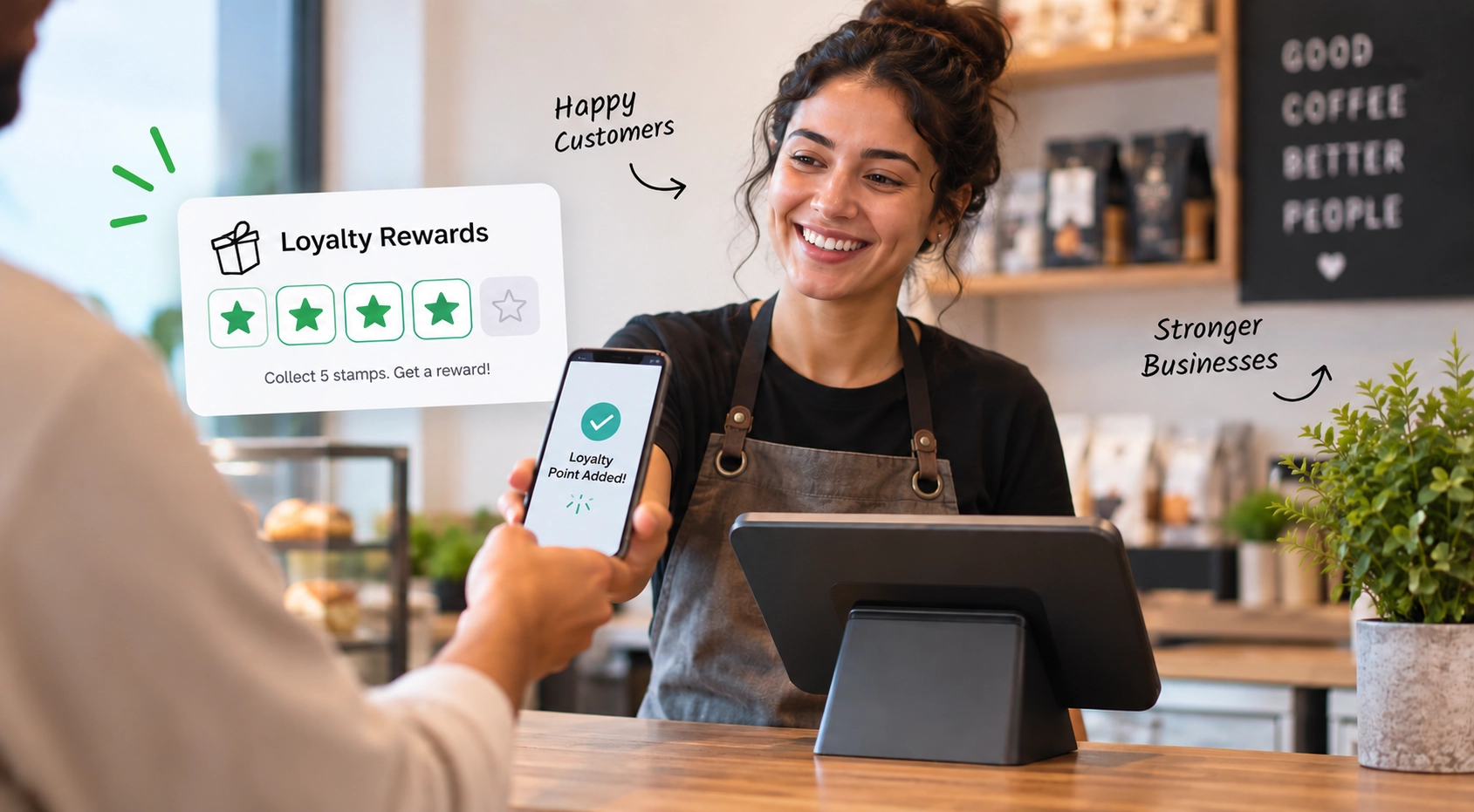
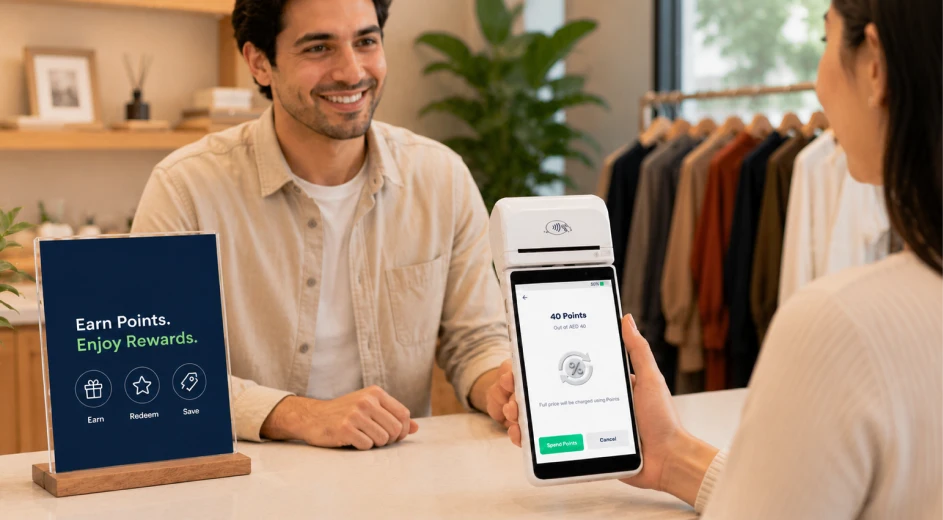
POS-integrated oyalty systems address this by connecting enrollment directly to the checkout workflow. A customer pays, the staff member enters their phone number on the same device, and the customer receives a digital loyalty card they can add to their Apple Wallet or Google Wallet. No paper card, no separate app.
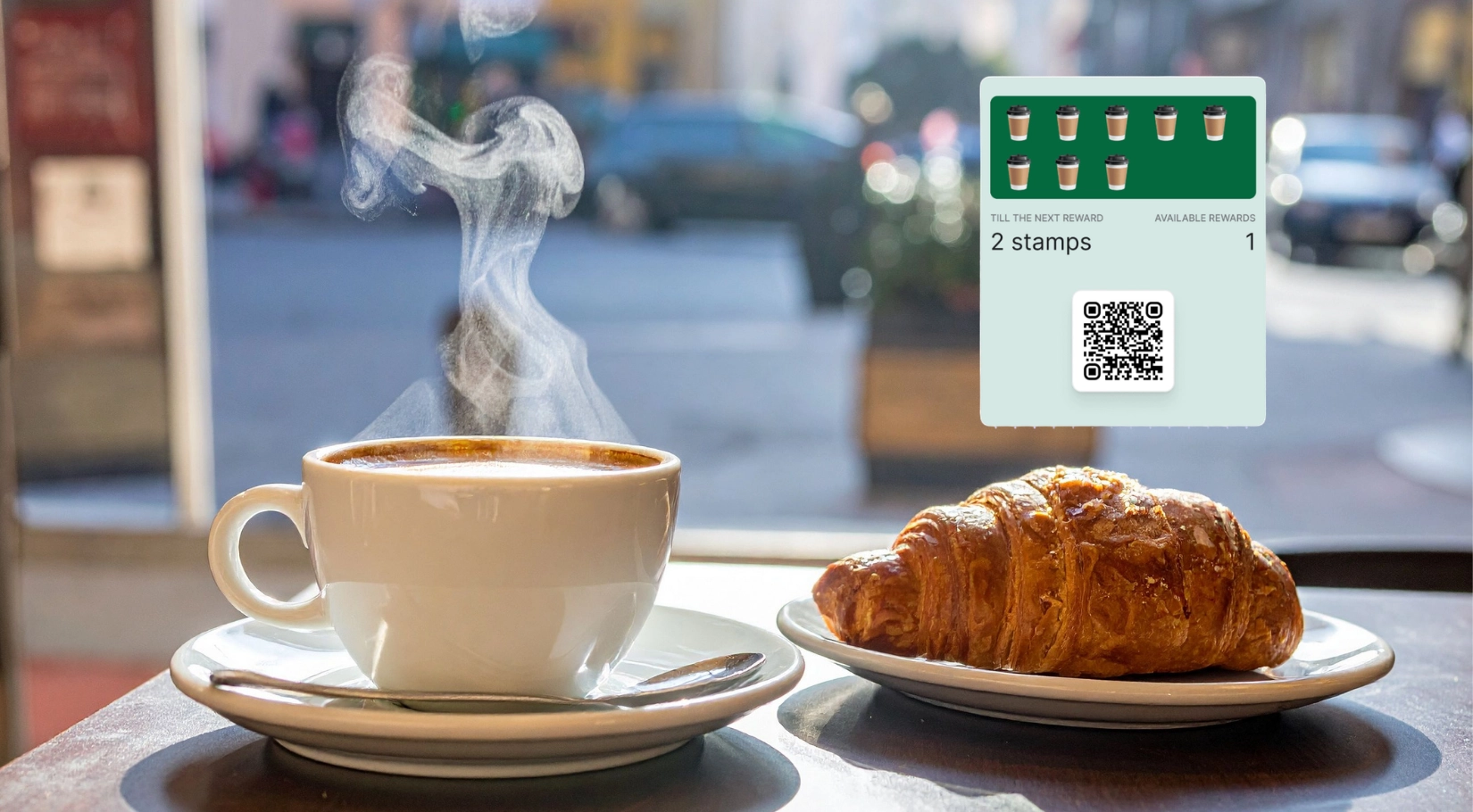
Digital loyalty cards also remove the need for customers to carry a paper card. Once added to Apple Wallet or Google Wallet, the card remains available on the customer's phone for future visits. The business can also use push notifications to communicate relevant offers, subject to the capabilities and settings of the chosen loyalty platform.
The customer database built through POS-integrated enrollment is also commercially useful beyond the loyalty program itself. It gives the merchant a direct communication channel to run, send promotions and birthday offers, send birthday offers, or fill slow periods with time-sensitive discounts without relying on paid social media advertising.
Push notifications can be useful when they are timely, relevant, and used sparingly. A happy hour offer sent before a slow afternoon shift, or a birthday reward sent before a salon customer is due to rebook, is more practical than sending the same generic promotion to everyone.
How to Decide If Loyalty Is Worth It for Your Business
Before committing to a loyalty program, work through these questions honestly:
How often does your average customer return? Businesses with frequent repeat purchases are generally more likely to benefit from loyalty programs than those with occasional transactions.
What is your customer acquisition cost compared to the lifetime value of a returning customer? If the ratio strongly favors retention, loyalty is worth prioritizing.
Can enrollment happen during checkout on your current device, or does it require a separate step? Friction at enrollment is where most programs lose traction.
Do you have a way to reach customers between visits? Push notifications or a direct messaging channel are what turn a loyalty card into an active retention tool.
Do your margins allow for a meaningful reward without compressing profitability? Calculate the cost per reward before deciding on the reward structure.
Will your staff enroll customers consistently, especially during peak hours? If not, address the workflow before launching the program.
Where Fortis Fits
For UAE SMEs, the right loyalty setup depends on whether the business wants loyalty connected directly to its POS workflow or operated as a standalone tool.
Fortis POS Loyalty is embedded in the POS device. You can register customers by phone number right from the card machine, issue points or stamps, scan their digital loyalty cards on future visits, and send offers through push notifications. Customers can add their cards to Apple Wallet or Google Wallet.
Fortis also provides a standalone loyalty option for businesses that do not use Fortis SmartPOS. In this setup, staff use an app to register customers and scan their digital loyalty cards.
Both options are relevant to F&B, retail, and service businesses where repeat visits matter. The integrated option is particularly useful when you want customer registration and loyalty activity to remain close to the normal checkout workflow.
Conclusion
Loyalty programs are not universally worth it, and they are not universally a waste of time. The decision comes down to three practical factors: how often your customers return, how smoothly enrollment can happen during checkout, and whether the reward structure makes sense for your margin.
The businesses that get the most from loyalty programs are not the ones with the most sophisticated reward mechanics. They are the ones that enroll customers consistently, use the customer database actively, and make the loyalty experience part of the everyday checkout flow rather than an add-on that gets forgotten during a busy service.
For small UAE businesses, the real question is not only whether loyalty works, but whether the system is simple enough for staff and customers to use every day.
Frequently Asked Questions
How can a small business tell whether a loyalty program is working? Track member enrollment, repeat-visit rate, reward redemption, and average spend among members. Compare these figures with the period before launch, but avoid treating every returning member as a visit caused by the program.
Do customers need to download an app to join a loyalty program? Not always. Some platforms register customers by phone number and issue a digital card for Apple Wallet or Google Wallet, while others require a dedicated customer app. A wallet-based option can reduce enrollment friction at checkout.
What costs should I include when calculating loyalty program ROI? Include the software subscription, setup or integration fees, additional hardware, staff time, and the value of redeemed rewards. Compare the total annual cost with the additional gross profit generated by repeat visits, not with sales revenue alone.
Can I launch a loyalty program without replacing my current POS? Yes. Standalone loyalty platforms can work alongside an existing POS, although staff may need to use a separate app or workflow. An integrated option is usually simpler when enrollment, earning, and redemption can happen through the existing checkout device.
Should I choose an integrated or standalone loyalty system? An integrated loyalty system keeps enrollment and rewards closer to the checkout process, while a standalone platform may be easier to add to an existing setup. Compare the hardware, daily workflow, reporting, and integration requirements before making your decision.
What should I check before signing a loyalty software contract? Check the contract term, cancellation conditions, setup fees, supported devices, customer data export, wallet-card support, reward controls, and reporting. Also confirm whether points and stamps can be managed from your current checkout workflow or require a separate device.