.svg)


.svg)

.jpeg)


[[shortcode1 title="Quick Answer:" description="What does a restaurant POS system cost in the UAE? For most UAE restaurants, POS system costs range between AED 300 and AED 1,500 per month. Basic setups can start from around AED 150, while multi-location or feature-rich systems can exceed AED 5,000 monthly. The final cost depends on software, hardware, and payment processing fees."]]
The UAE foodservice market is projected to grow from USD 23.21 billion in 2025 to USD 61.21 billion by 2031. More restaurants are opening, competition is tightening, and every dirham in your cost structure matters more than it did a year ago.
Most restaurant owners in the UAE think about POS cost as a software subscription. In reality, it sits across three separate layers, and the one most owners underestimate is not the software. It is the payment processing fee deducted quietly from every card transaction, every day, before the money reaches your account.
This guide breaks down each layer clearly, including what drives the cost up, what you can negotiate, and what to ask before you sign anything.
The Three Layers of Restaurant POS Cost
Most restaurant owners focus on software pricing when evaluating POS systems. In reality, total POS cost has three separate components, and all three affect your bottom line.
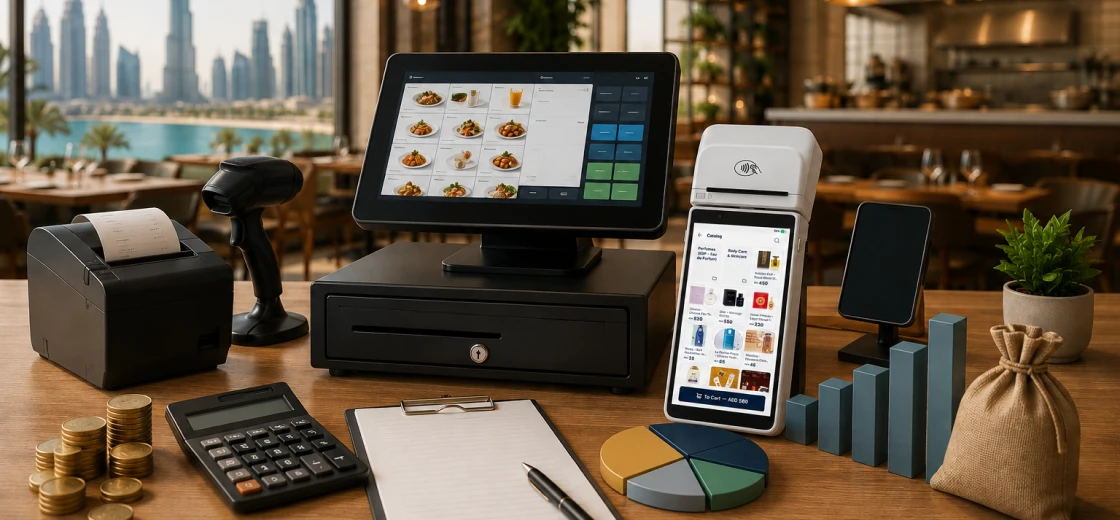
1. Hardware Costs
1. POS Terminal (Touchscreen)
POS terminal is the main device your staff uses to take orders and process payments. In the UAE market, you have two broad options:
An all-in-one touchscreen POS terminal, which combines the screen, processor, and sometimes a built-in printer in one unit, typically costs between AED 1,500 and AED 4,500 depending on the specs. Entry-level Android-based models sit at the lower end, while Windows-based terminals with larger screens (15 inches and above), higher RAM, and faster processors push toward the higher end. Premium models from brands like Sunmi, Posiflex, or Oscar can go above AED 4,000 when bundled with accessories.
A basic card machine, which is what most UAE restaurants already have through their bank or acquirer such as Network International or Mashreq. If you are a small cafe or a restaurant or even a food truck, then you can convert it into a smartPOS solution and use it to take orders, accept payments and even capture customer details from one device. Not only does a smartPOS cost less, but it is also not restricted to one place; you can use it to take orders from drive through or if you are participating in an event, you dont need a separate system.
2. Thermal Receipt Printer
A standalone thermal receipt printer is a separate device if your terminal does not have one built in. Entry-level thermal receipt printers in the UAE start from around AED 350, with mid-range models from brands like Epson, Bixolon, and Star Micronics ranging from AED 500 to AED 1,200. These connect via USB, LAN, or Bluetooth. Wireless models sit at the higher end of that range. For a busy restaurant, you should budget for at least one customer-facing receipt printer and potentially a separate kitchen printer, which doubles the cost of this line item.
3. Kitchen Printer
If your restaurant uses a separate kitchen printer to send orders from the counter to the kitchen, expect to pay between AED 400 and AED 900 for a dedicated impact or thermal kitchen printer. Impact printers are more common in kitchens because they are more resistant to heat and grease. Many restaurant owners overlook this cost when budgeting for a POS setup.
If you are using a solution like Fortis SmartPOS, for example, you can send orders to any kitchen screen directly from the card machine.
4. Cash Drawer
A standard cash drawer connects to the receipt printer via an RJ11 cable and opens automatically at the end of each transaction. In the UAE, cash drawers typically cost between AED 200 and AED 600 depending on build quality and the number of note and coin slots. Basic models designed for light use sit at the lower end, while heavy-duty stainless steel drawers with 5 note slots and 8 coin compartments are on the higher end.
5. Barcode Scanner
For restaurants, a barcode scanner is not essential since items are often entered from a digital menu. However, if you are running a cafe or a food retail outlet where products have barcodes, a basic wired USB handheld scanner starts from around AED 80 to AED 200. Wireless and 2D scanners that can read QR codes range from AED 250 to AED 600.
6. Customer Display Screen
Some restaurants add a secondary screen facing the customer so they can see their order and total as it is being entered. These add between AED 300 and AED 800 to your setup cost depending on size and whether it is a simple pole display or a full secondary touchscreen.
2. Software Subscription Costs
Often software prices are charged separately. Most modern restaurant POS platforms in the UAE operate on a cloud-based subscription billed monthly or annually.
Pricing varies based on the features you need, the number of devices or locations, and whether add-ons like loyalty or table pay are included. When comparing software costs, ask each vendor:
- Is the price per device or per location?
- Are VAT-compliant receipts and reporting included, or charged separately?
- Does loyalty, table ordering, or kitchen communication cost extra?
- Is onboarding and training included, or billed as a setup fee?
A lower headline price can become more expensive once add-ons are included. Always ask for the total annual cost with all the features your operation actually needs.
3. Payment Processing Fees
Every time a customer pays by card, a percentage of the transaction is deducted before funds reach your account. This is the Merchant Discount Rate (MDR), the total fee paid to your payment acquirer for handling the transaction.
The MDR has three components:
- Interchange fee: paid to the customer's issuing bank, the largest component of MDR
- Scheme fee: charged by the card network (Visa or Mastercard) for routing the transaction
- Acquirer markup: the processor's charge for facilitating payment and managing your merchant account
You can negotiate MDR rates with your acquirer as they often vary based on your industry, transaction volume, and card mix. In October 2024, the Central Bank of the UAE introduced a cap on Interchange Reimbursement Fees (IRF) for domestic consumer debit and prepaid card transactions, directly reducing this component of MDR for UAE merchants. For the rate applicable to your restaurant, speak directly with your bank or acquirer.
Note that cash payments carry no processing fee. Accepting cash alongside card and digital wallet payments gives you flexibility and helps manage your cost of acceptance.
Restaurant POS Hidden Costs UAE
Beyond the three main layers, you need to be beware of the additional costs that might catch you off guard. Understanding them before you sign prevents budget overruns.
- Setup and Onboarding Fees
Some POS providers charge a one-time setup fee to configure your system, migrate your menu, or train your team. Others include onboarding as part of the subscription. Always confirm this during vendor evaluation and get it in writing.
- Support and Maintenance
On-site support during a service issue is not always included in the base subscription. For UAE restaurant owners, ask specifically: what are the support hours, how quickly can a faulty device be replaced, and is telephone or on-site support available? A system issue during Friday brunch service translates directly into lost revenue.
- Add-on Features
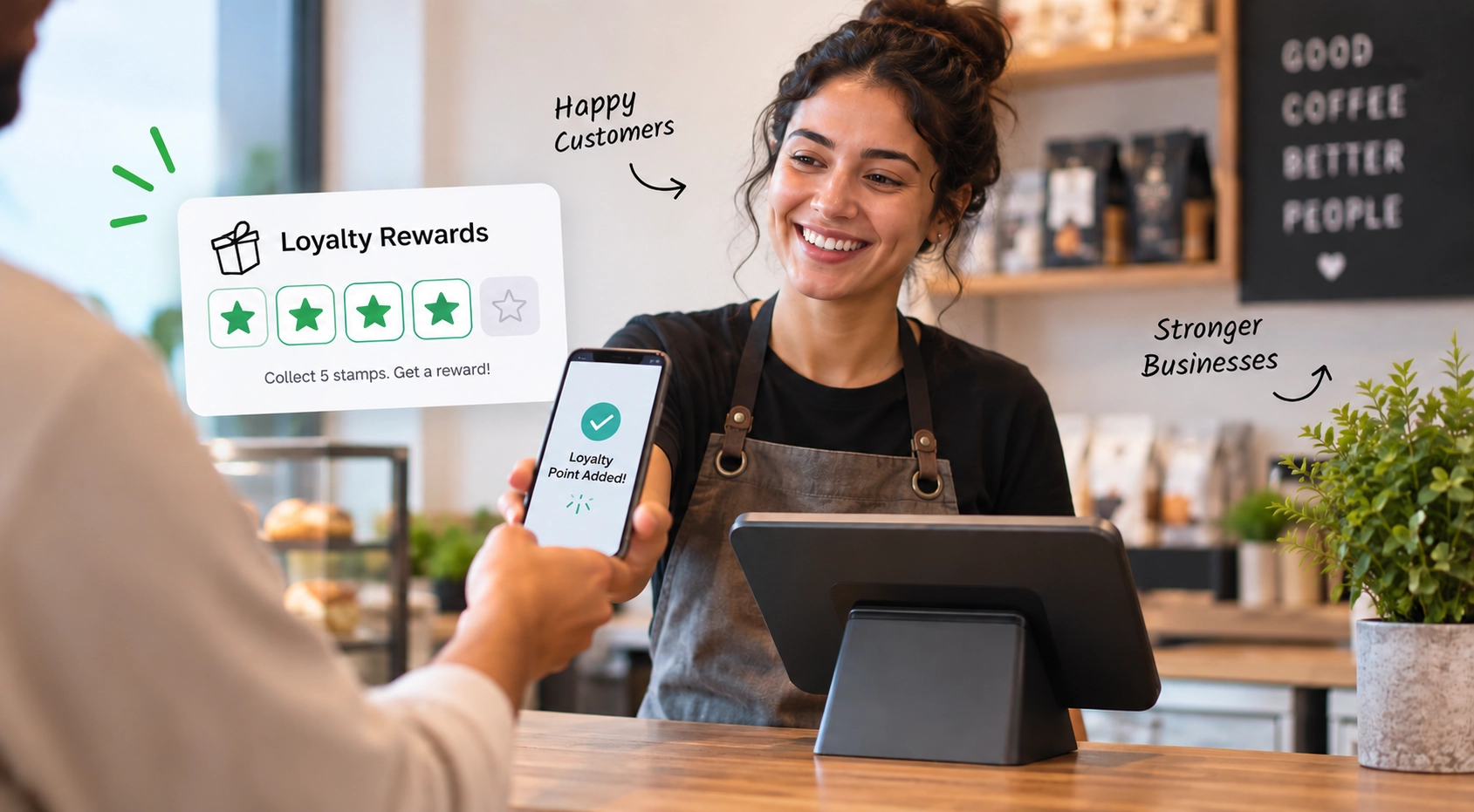
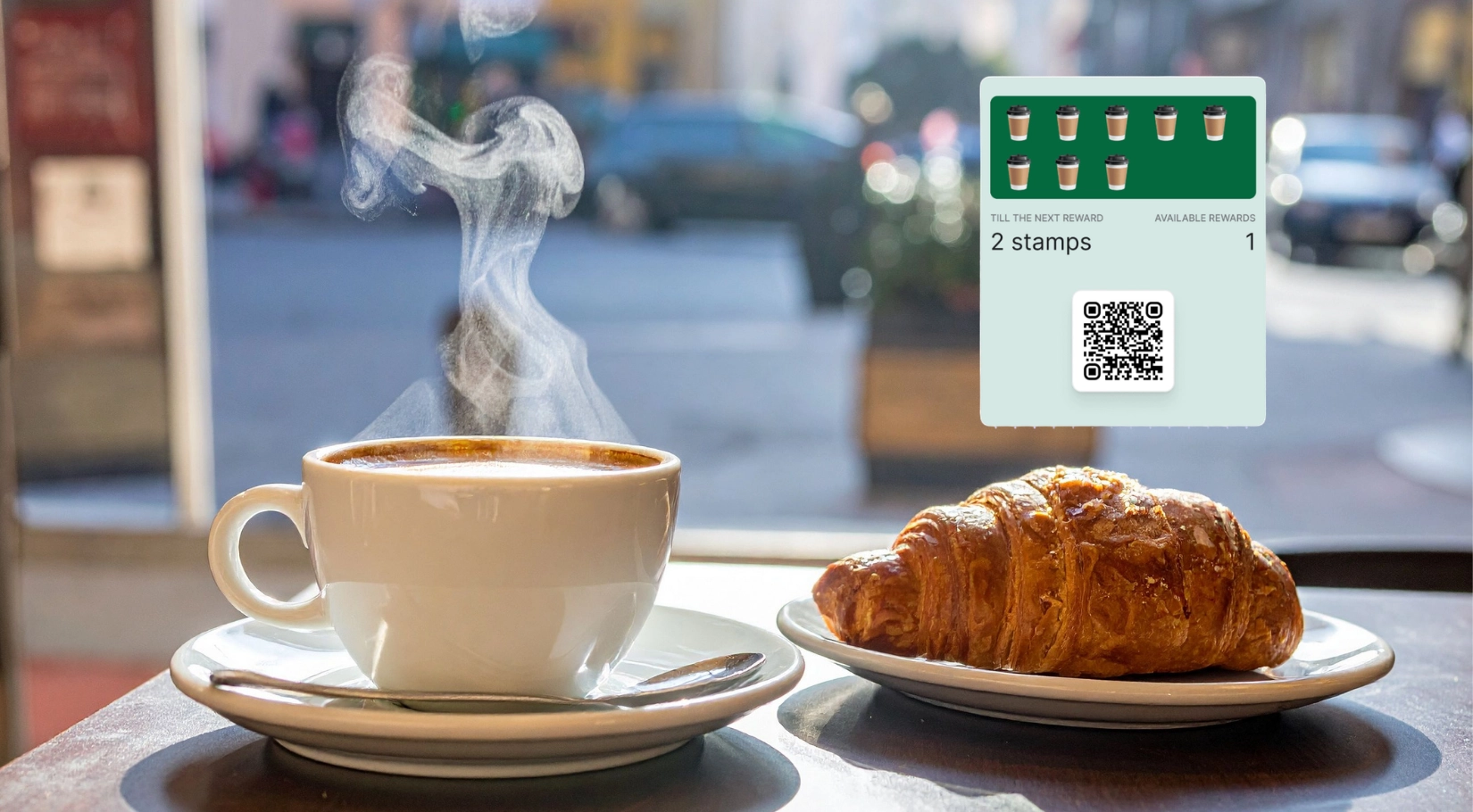
Features like digital loyalty programmes, pay-at-table QR ordering, and kitchen communication are sometimes bundled and sometimes sold separately. If your restaurant needs them, factor their cost into your annual comparison. Paying for two or three separate tools from different providers often costs more than choosing a platform where these features are integrated.
- Per-Device Licensing
If you run multiple terminals across different stations or locations, check whether your software subscription is priced per device. Some providers charge a flat rate for the first device and a lower rate for each additional one. This can significantly change your annual cost once you move beyond a single terminal.
What Affects POS Cost in UAE Restaurants
Your total POS investment depends on the specifics of your operation. These factors have the biggest impact on price.
How to Calculate Your Total Annual POS Cost
To compare POS options fairly, calculate the total annual cost across all components. Use this framework:
Add all six components and compare the full-year figure across shortlisted providers, not just the base software price. A system that looks cheaper on paper can cost significantly more once add-ons and processing fees are included.
Evaluating POS Cost for Small and Medium Restaurants in the UAE
If you are a small to medium restaurant or a cafe or you just have a food truck, then you don’t need to invest in a large POS system that would end up costing you AED 10,000. A large POS system with nice-to-have features would make sense if you have a dine-in restaurant or a cafe. Then you can have extra features and even pay-at-table features.
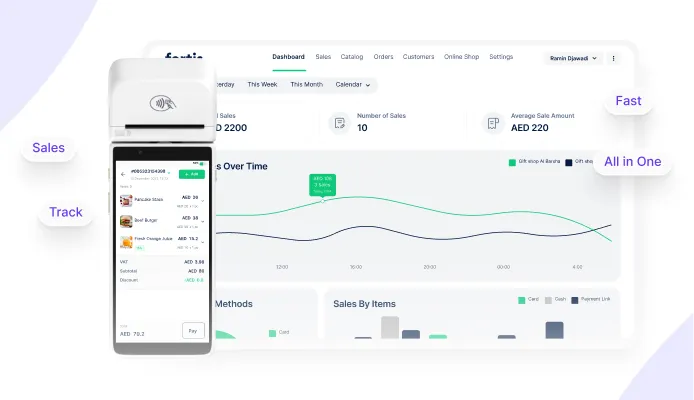
However, for small to medium restaurants, cafes, and food trucks in the UAE, the most practical starting point could be a SmartPOS, that can turn your existing card machine into a POS solution, so you don’t need bulky hardware. You can use your card machine to take orders, accept payments, capture customer information and even launch a loyalty program.
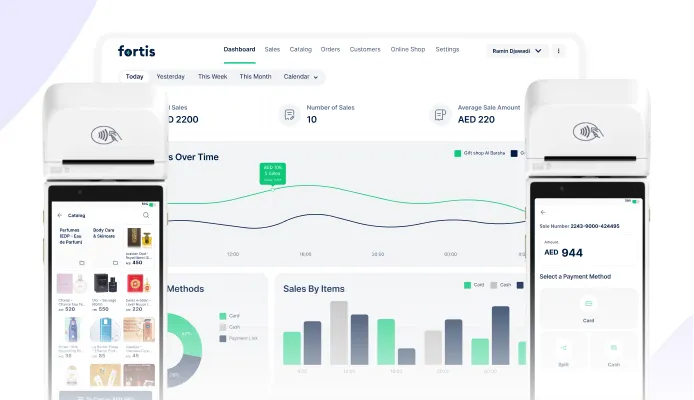
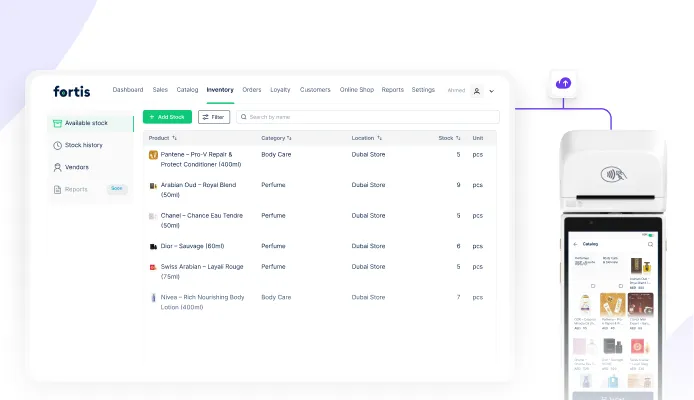
Fortis SmartPOS is built on this model. Rather than requiring a separate tablet or dedicated POS hardware, it converts your existing card machine into a complete point-of-sale system. You can use it to take orders, accept payments (card or cash), send orders to the kitchen via Fortis kitchen bot, print FTA-compliant VAT receipts, real-time reporting in the Fortis merchant dashboard, and even launch a digital loyalty. Since the software runs on the device you already use for payment acceptance, your POS and payment data are always aligned, eliminating the reconciliation gap that occurs when order-taking and payment run on separate systems.
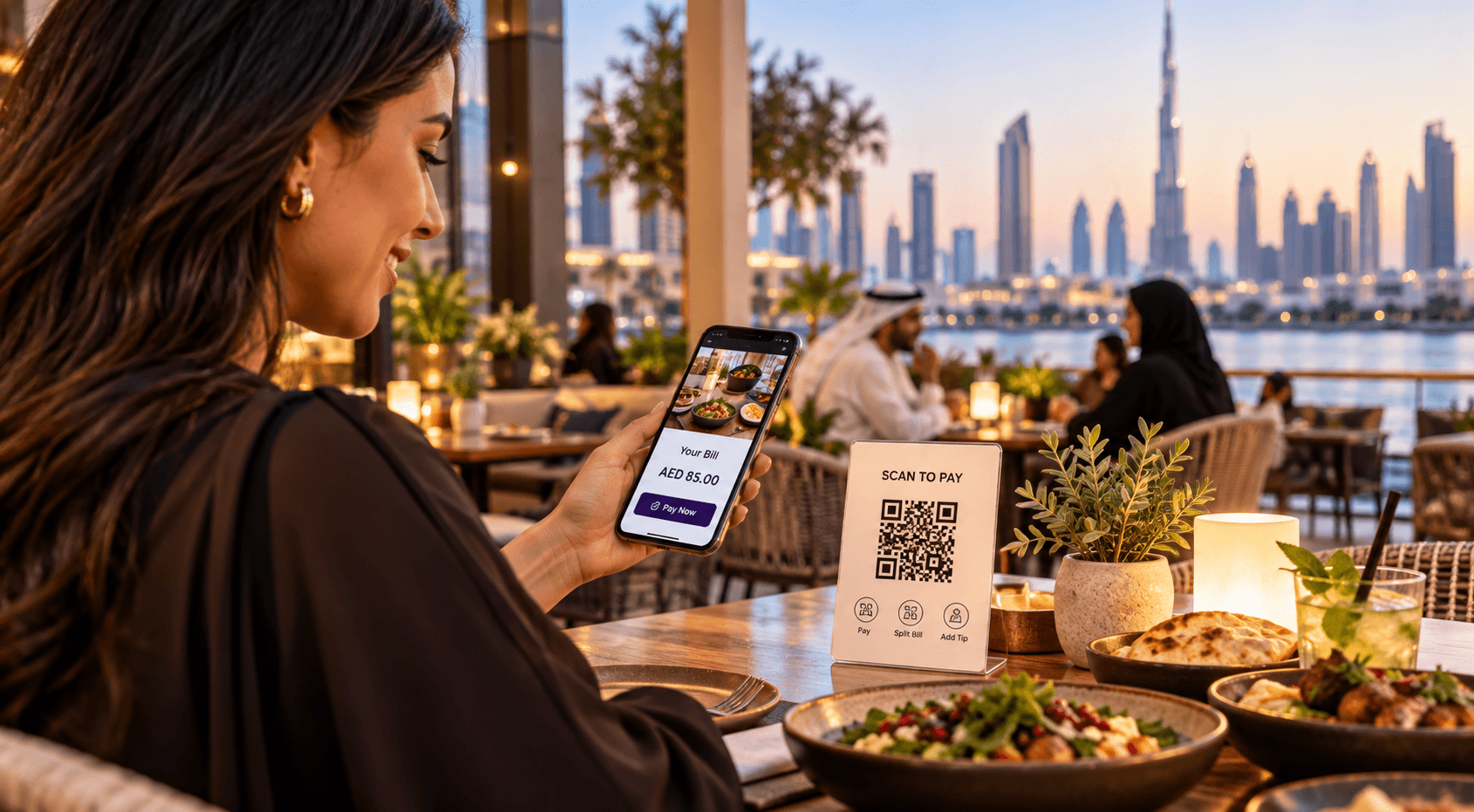
For fine dining restaurants and cafes that want to upgrade the payment experience, Fortis Table Pay works as an additional layer on top of Foodics or Syrve. Guests scan a QR code to view their bill, split it, add a tip, and pay from their phone. Staff can also handle payment, bill splitting, and tip collection directly from the card machine. When payment is complete, the table closes automatically in the POS system. Table Pay is a separate product with its own annual subscription, not bundled with SmartPOS.
Explore Fortis SmartPOS and Table Pay to understand how pricing is structured based on your setup.
Frequently Asked Questions
1- How much does a restaurant POS system cost in the UAE?
Restaurant POS systems in the UAE typically start from around AED 300 per year for basic software plans and can go higher depending on features, number of devices, and add-ons such as loyalty or table ordering.
2- What pricing models do restaurant POS providers in the UAE offer?
Most providers offer monthly or annual subscriptions, one-time licences, or hybrid plans with add-ons. Cloud subscriptions are the most common for UAE restaurants.
3- Do I need to buy new hardware for a restaurant POS system in the UAE?
No, some POS systems run on existing card machines. For example, Fortis SmartPOS adds POS features to multiple card machines without new hardware.
4- Can I use my existing card machine as a restaurant POS in the UAE?
Yes. Some POS systems run directly on your existing bank-issued card machine. This reduces setup costs and avoids buying separate POS hardware.
5- Is VAT-compliant invoicing included in restaurant POS software in the UAE?
Yes. Any compliant POS must generate FTA-approved tax invoices automatically. Before choosing a provider, confirm that VAT reporting and export features are included in the base subscription, not sold as an add-on.
6-Should I choose a bundled POS system or separate tools for payments, POS, and loyalty?
In most cases, a bundled POS system is more cost-effective and easier to manage. Using separate tools increases total cost, creates reconciliation gaps, and adds operational complexity.